
FAQ
Questions to settle before anyone prices the roof
Most questions come down to one decision: restore the roof you have, or replace it. The answers start with the moisture scan, which shows what looks wet under the membrane before you budget for either, then cover typical costs, who does the work and who decides, and how materials are quoted, shipped and returned. Not answered here? Ask through the quote form; we reply within one business day.
On this page: The moisture scan · Restore or replace, and cost · Who decides and who does the work · The products · Quotes, shipping and returns · Guides
New to the scan? Start with how the scan works.
The drone moisture scan
What the scan shows, and what it cannot
The scan maps where the insulation under the membrane looks wet, and how many square feet of it, with video from the flight and a written assessment, before anyone prices a job. It reads temperature, not water, so every area it flags stays a suspect until a core confirms it.
What is the drone moisture scan?
What do I get from the scan?
What does the scan cost?
Where do you fly, and for which buildings?
Will a thermal scan work on my roof?
When is it flown, and does the building have to close?
What can the scan not tell me?
How are the flagged areas confirmed?
Does the manufacturer require a moisture survey?
Restoration and money
Restore or replace: the ranges and the rules
Restoring keeps the roof you have and builds a new surface on it, over a sound, dry roof only. The two questions most people arrive with, how many years it adds and what it typically runs, come first; then what rules a roof in or out, the warranty and a word on tax.
What is a roof restoration?
How many years does a restoration add to a roof?
What does a roof restoration cost?
Which roofs can be restored?
Why does wet insulation have to come out first?
When does replacing make more sense than restoring?
Does a restored roof come with a warranty?
Can restoration be treated as maintenance for tax purposes?
The go-ahead, installers and who decides
Our part, and the people who decide
The owner gives the go-ahead for the scan. We arrange it, supply the materials and can introduce an installer. We never apply coatings ourselves, and we never decide whether a roof can be restored: the contractor, the engineer and the building department do.
Who gives the go-ahead for a scan?
What happens after the map?
Do I have to use your installer or buy the materials from you?
Do you apply the coating?
How long does the work take, and does the building stay open?
Who decides whether my roof can be restored?
Can a contractor ask for a scan of a roof they are bidding?
Can my company join your installer network?
The products
Genuine Sherwin-Williams Uniflex, by part number
Every product is listed under its Sherwin-Williams part number. What goes on a given roof depends on the substrate and on whether water stands; the data sheet and an adhesion test patch settle the rest.
Are these genuine Sherwin-Williams products?
Acrylic, silicone or solvent-based: which finish coat?
Do I need a primer?
Can I coat over an old coating?
What about PVC roofs?
What about Hypalon roofs?
Where are the data sheets?
What sizes do the coatings come in?
Can I get a product sample before I order?
Quotes, shipping and returns
Priced by quote, put in writing
Every order is priced by quote, a single pail included, and the quote states freight to your site and the ship date. Stocked items ship in 1–3 business days, and materials ship anywhere in the US.
How do I get a price?
Do you have contractor pricing?
Can I order online?
How fast do you ship, and where?
How do drums and totes arrive?
Can coatings ship in winter?
What can be returned?
What if something arrives damaged?
Read further
The longer answers, in the guides
Six answers that need more room than an FAQ: how an infrared moisture survey works and when it does not, how core samples confirm it, what makes a roof a candidate, what a coating typically costs per square foot, the build-up by roof type, and the math from square feet to gallons.
- Infrared roof moisture survey: how it works, and when it does not
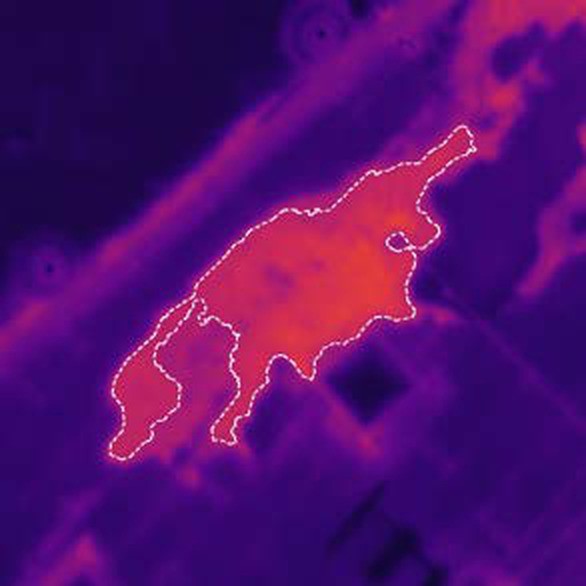
An infrared roof moisture survey sees temperature, not water: here is what it needs, which roofs it suits, what the report shows and why cores confirm it.
- Roof core samples: the test cuts that confirm a moisture scan
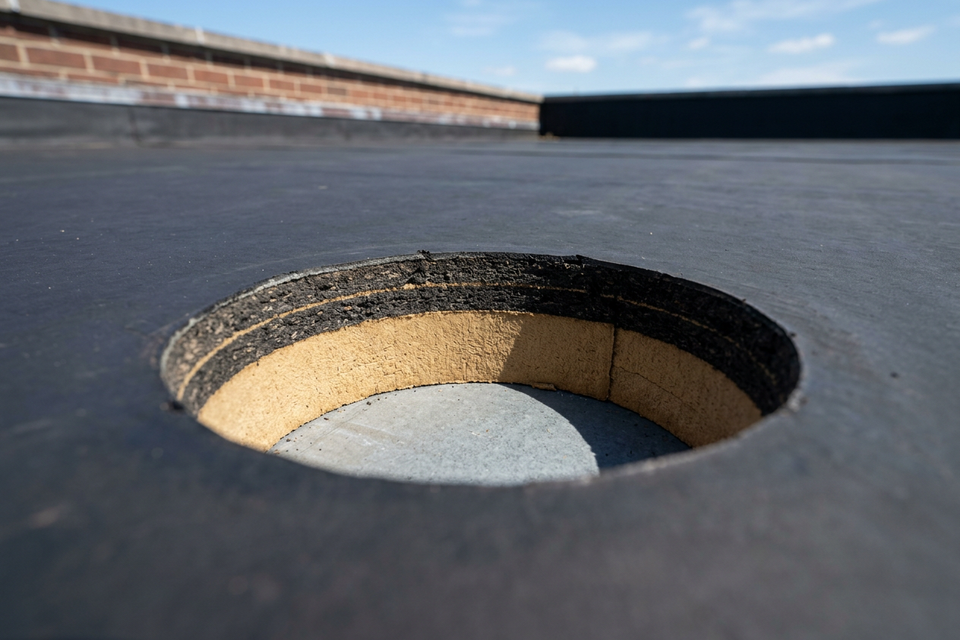
Core samples turn a scan's suspects into facts: what a cut shows, where to cut and how many, wet from dry by feel and by weight, and same-day patching.
- Restore or replace: how to tell whether a roof can be coated
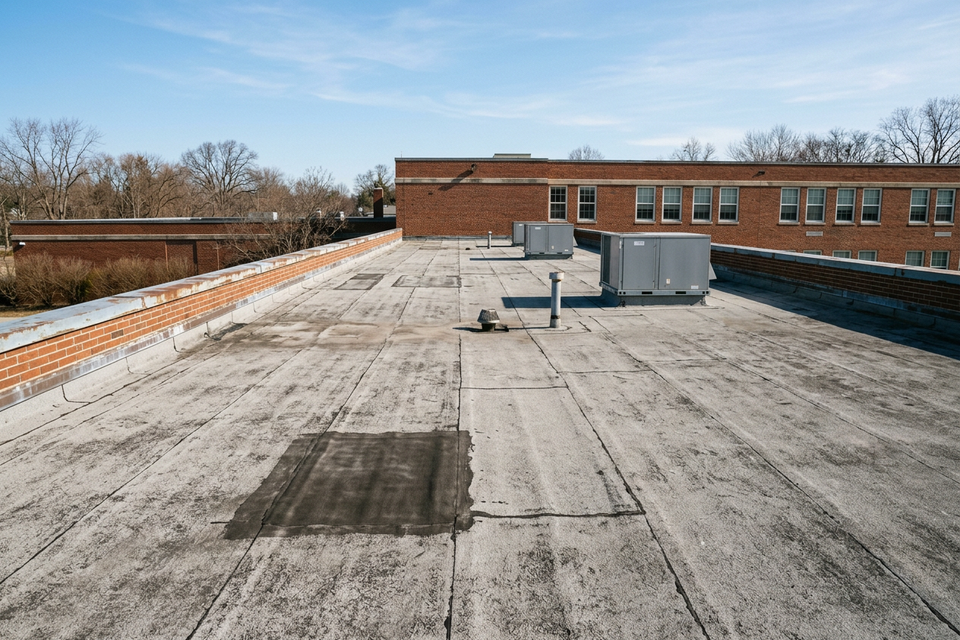
What makes a low-slope roof a candidate for a fluid-applied restoration, what rules it out, and the survey, cores and test patch that settle it.
- What a commercial roof coating costs per square foot
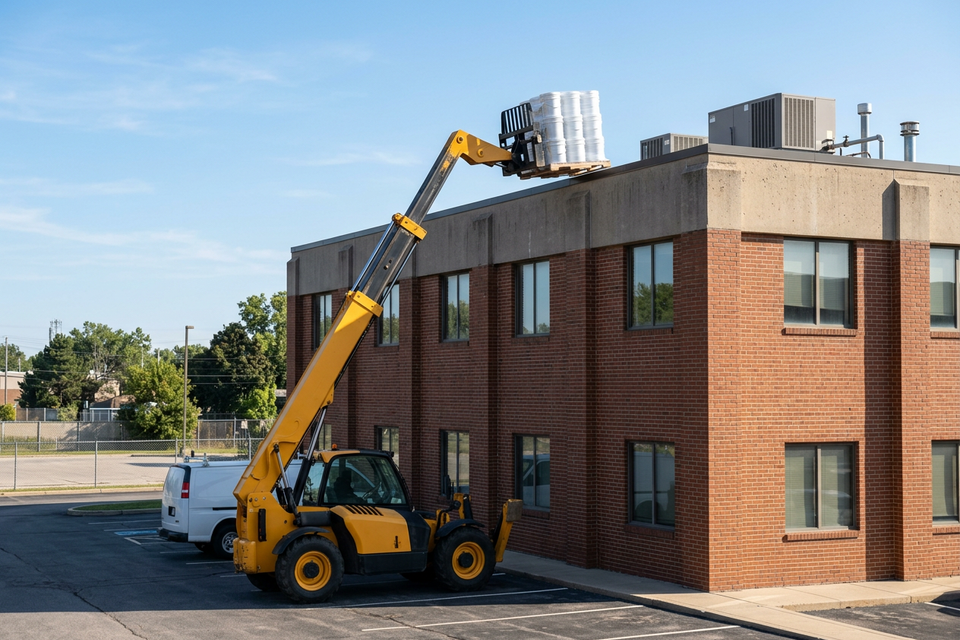
Here is what a coating restoration typically costs per square foot installed, the seven things that move the number, and how to firm it up before anyone bids.
- Which coating system goes over which roof
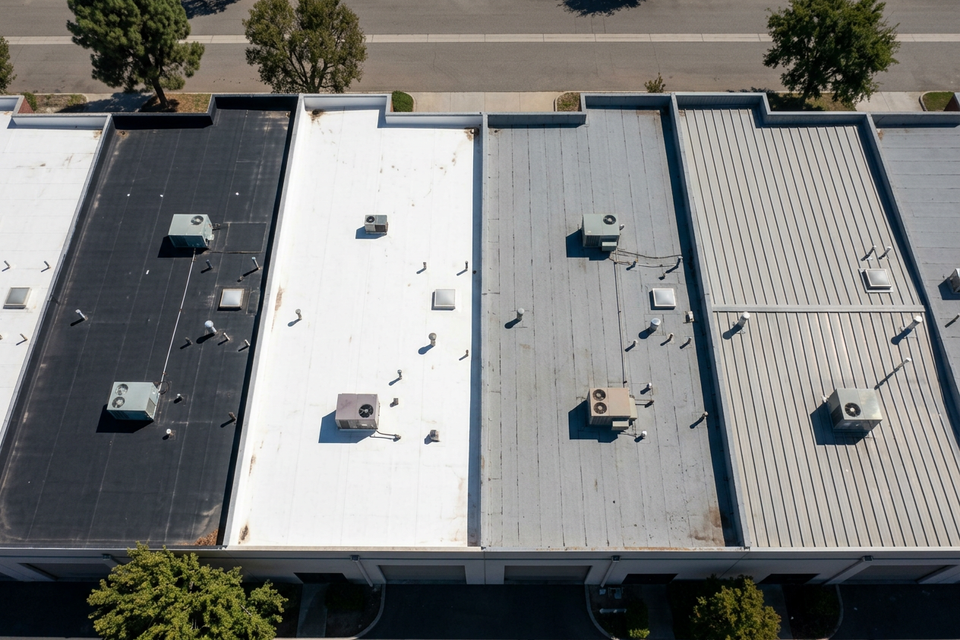
The acrylic and the silicone build-up for each roof: metal, EPDM, TPO, PVC, Hypalon, BUR, cap sheet, foam and concrete, with the part numbers.
- How to estimate material for a roof coating job
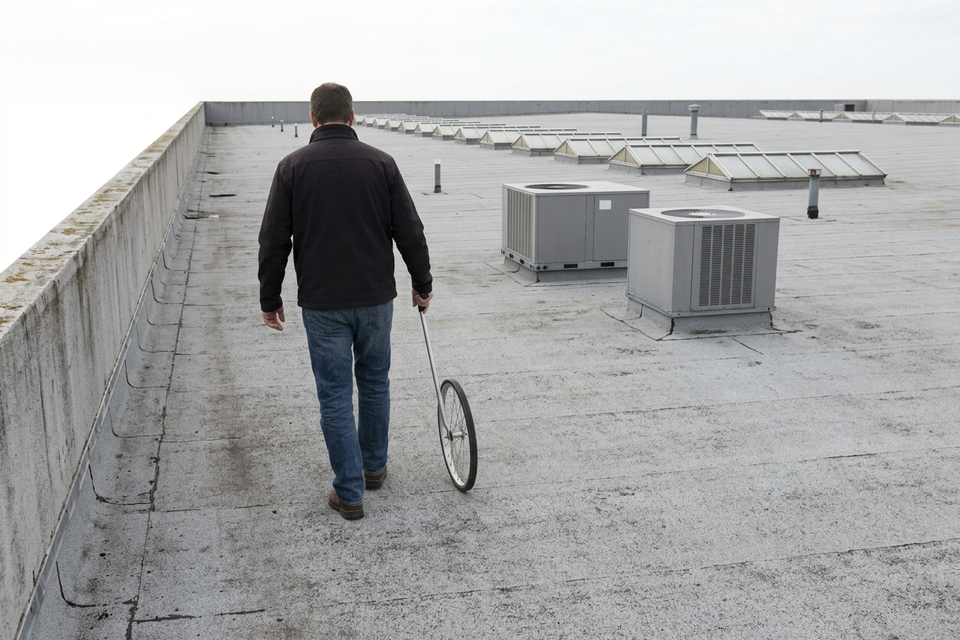
Area to squares, an allowance for texture and waste, the data-sheet rate per square per coat, round up to pails and drums, then count the detail materials.
Ask about the roof in front of you
Owners: send the building's address and we quote the scan for that roof. Contractors: send the part numbers, or the roof type and the square footage, with the site ZIP. We reply within one business day.