
Guides
How a moisture scan works and when it does not, whether a roof can be restored, what it typically costs, which system goes over it, and the material math.
All guides
- Aluminum roof coating vs elastomeric: where silver still fits
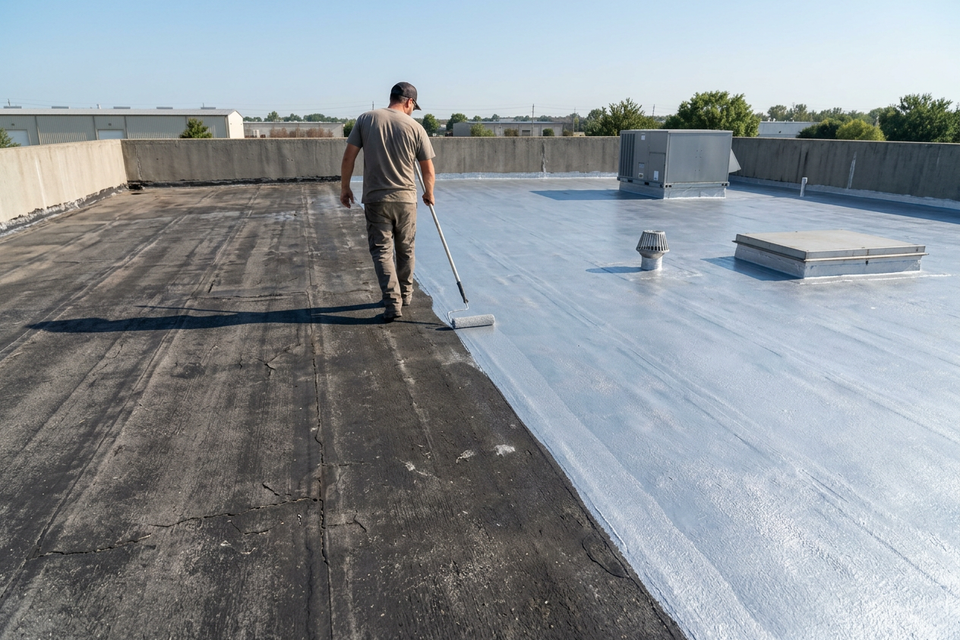
Where an aluminum coating is the right call, where a white elastomeric system is, what asphalt emulsion is for, and the primer, fabric and freight involved.
- Restore or replace: how to tell whether a roof can be coated
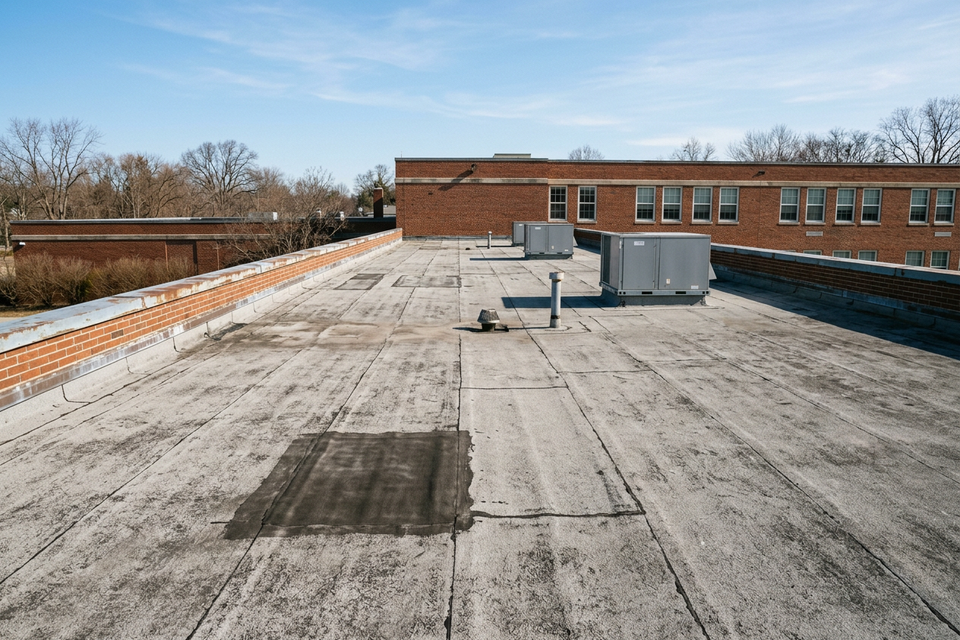
What makes a low-slope roof a candidate for a fluid-applied restoration, what rules it out, and the survey, cores and test patch that settle it.
- Choosing a commercial roof coating contractor: what to check
Check the license, get the roof surveyed first, ask for a scope that names part numbers and the dry film, and compare bids line by line before you hire.
- Coating, recover or replacement: three ways to renew a flat roof
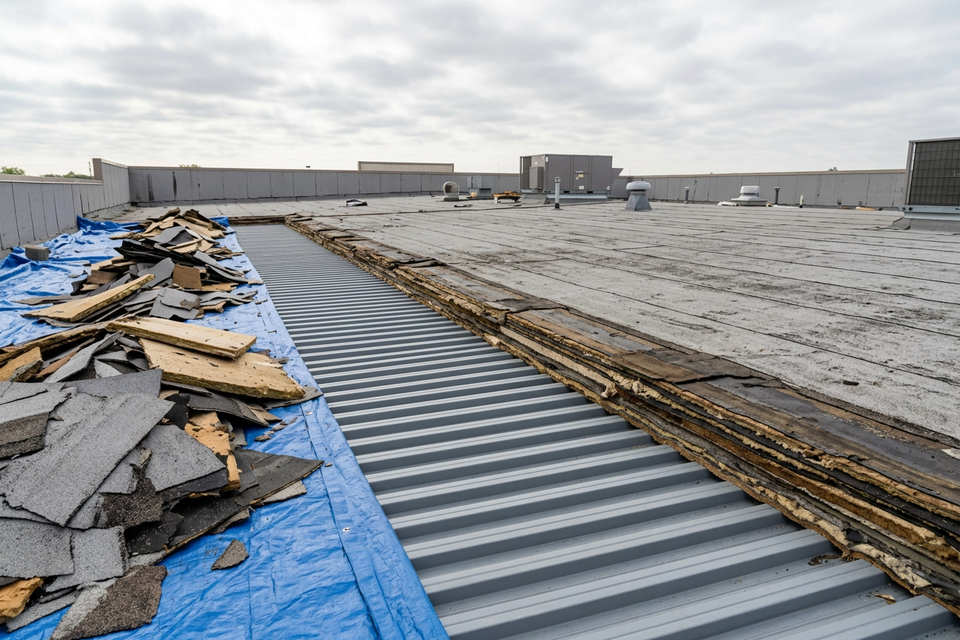
How a coating restoration, a recover and a tear-off compare on fit, cost, code and wet insulation, and how a moisture survey, cores and the deck pick one.
- What a commercial roof coating costs per square foot
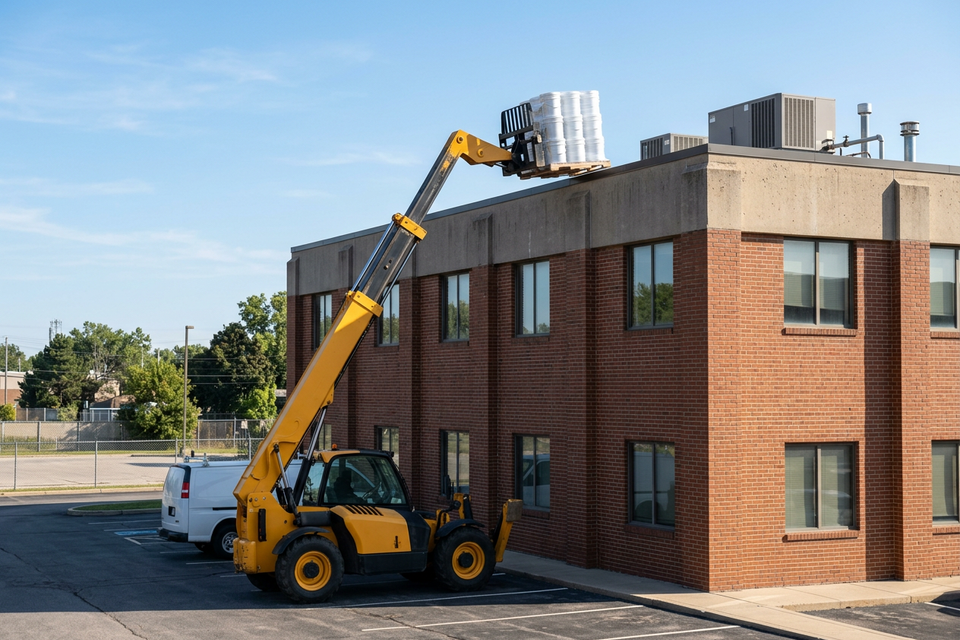
Here is what a coating restoration typically costs per square foot installed, the seven things that move the number, and how to firm it up before anyone bids.
- A commercial flat roof is leaking: what to do first
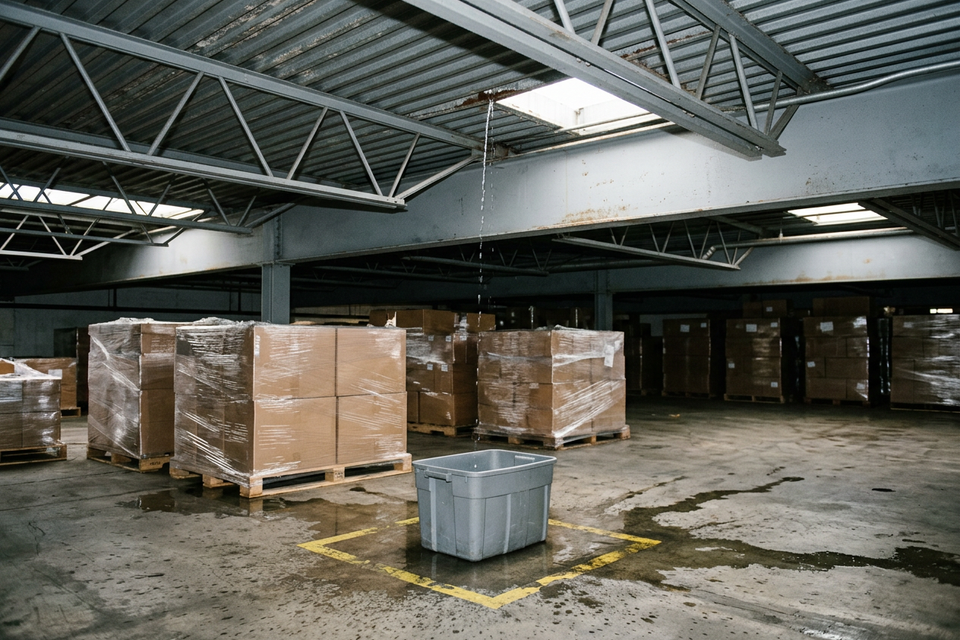
Contain the water, write down what you see, get the opening closed, then find out whether water reached the insulation and how far before you budget anything.
- Cool roof ratings after ENERGY STAR: what the numbers mean now
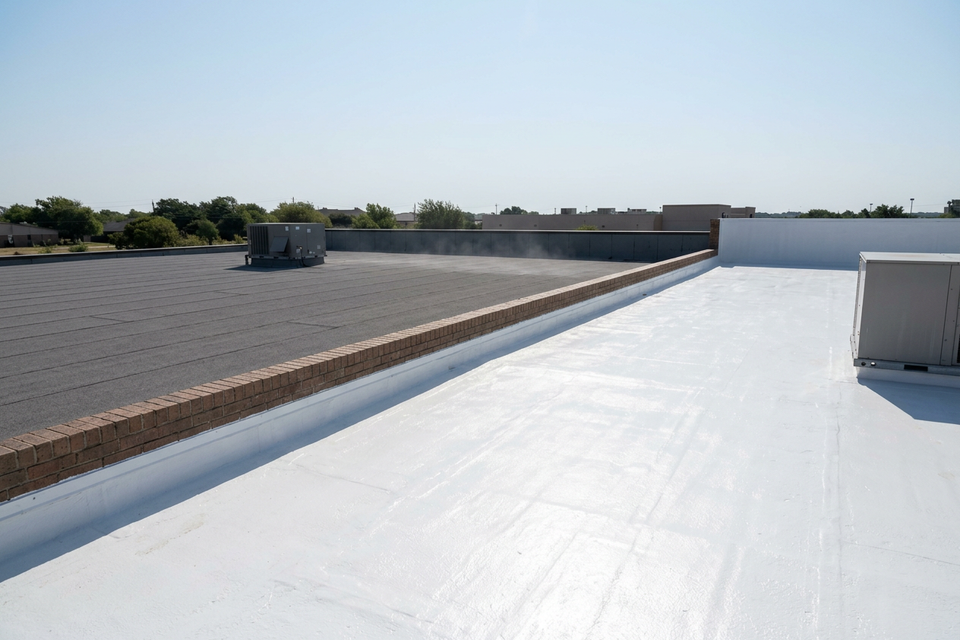
A cool roof is now three numbers in the CRRC directory: what each one means, why codes use the aged values, and what to ask a supplier for.
- Drone roof inspection of a commercial building: what it can and cannot tell you

What a drone inspection of a commercial roof shows by day and by thermal camera after sunset, what only a core confirms, the flight rules, and what to ask.
- Restoring a roof in Florida: what the code asks before you coat
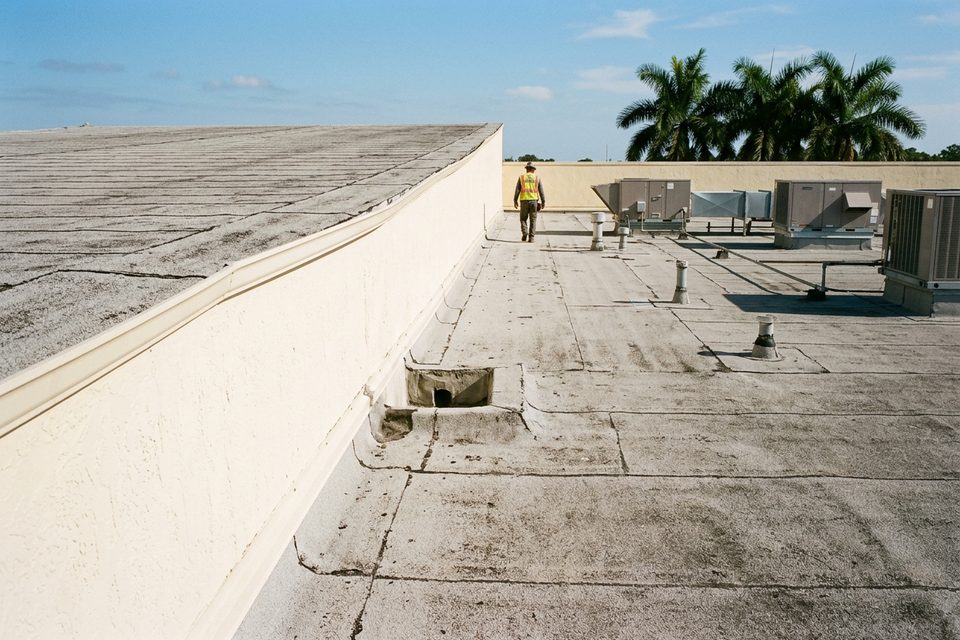
How Florida's 25 percent rule and its 2022 exception treat a coating, when the code requires tear-off, and what the HVHZ asks on moisture and permits.
- How long a roof coating lasts, and what decides it
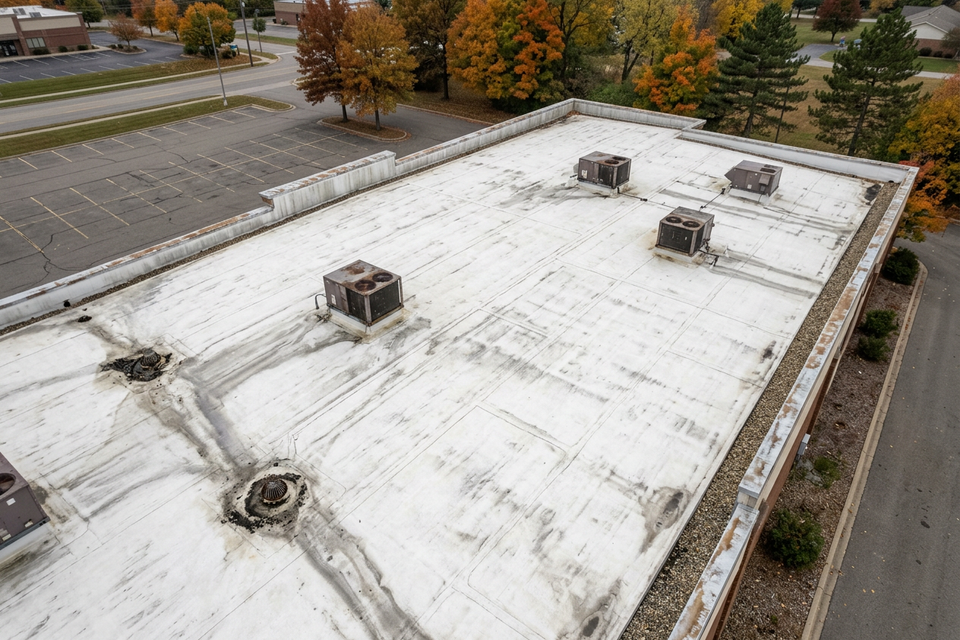
Six things decide how long a roof coating lasts: the roof underneath, film thickness, adhesion, drainage, details and upkeep. Here is what to ask about each.
- How to estimate material for a roof coating job
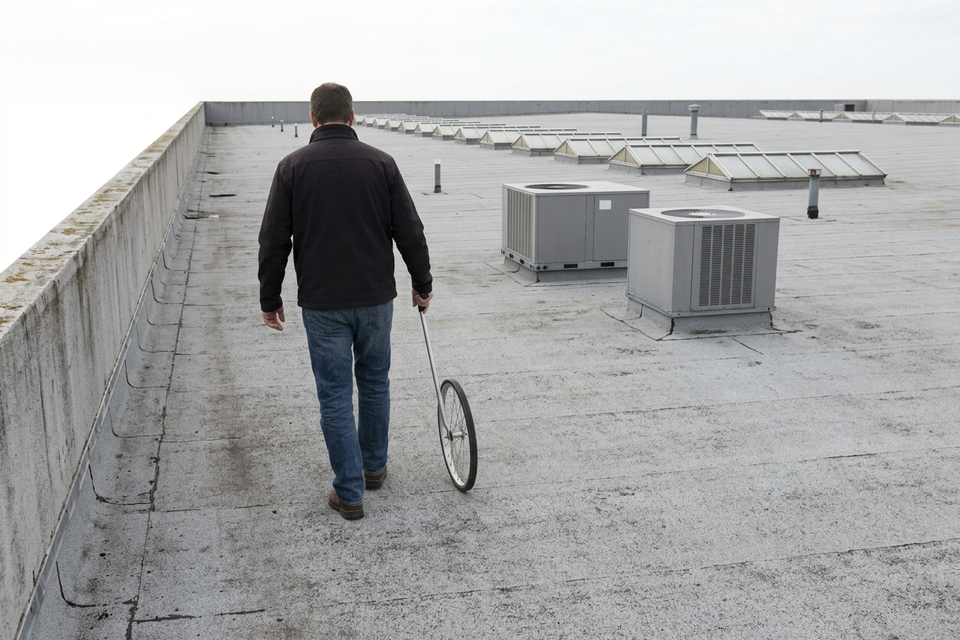
Area to squares, an allowance for texture and waste, the data-sheet rate per square per coat, round up to pails and drums, then count the detail materials.
- How to read a thermal roof scan report: the map and the numbers
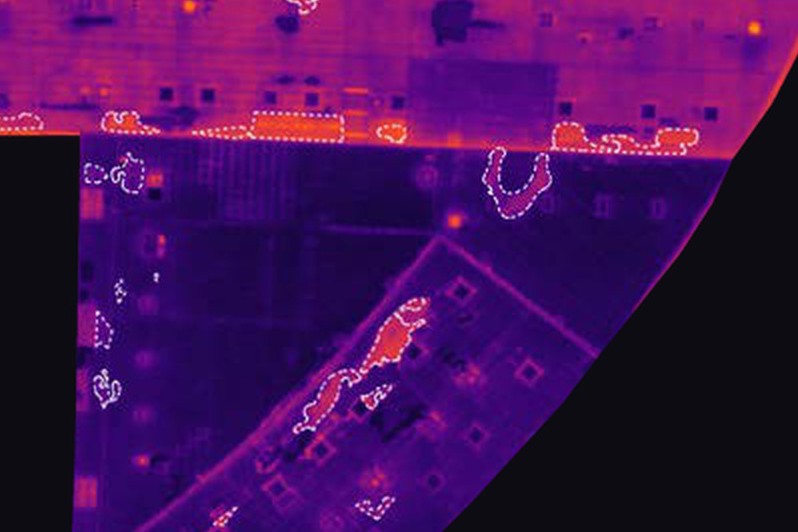
What the colors, dotted outlines, square feet and degrees-warmer figures on an infrared roof scan mean, how to rank findings, and which areas to core first.
- Infrared roof moisture survey: how it works, and when it does not
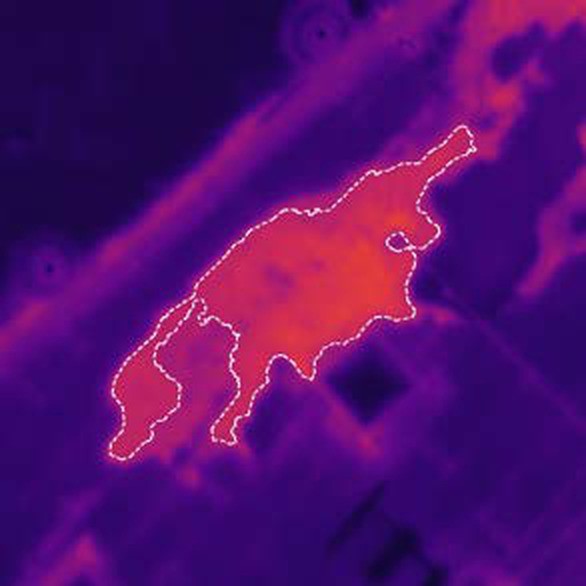
An infrared roof moisture survey sees temperature, not water: here is what it needs, which roofs it suits, what the report shows and why cores confirm it.
- Looking after a coated roof: inspections, repairs and records
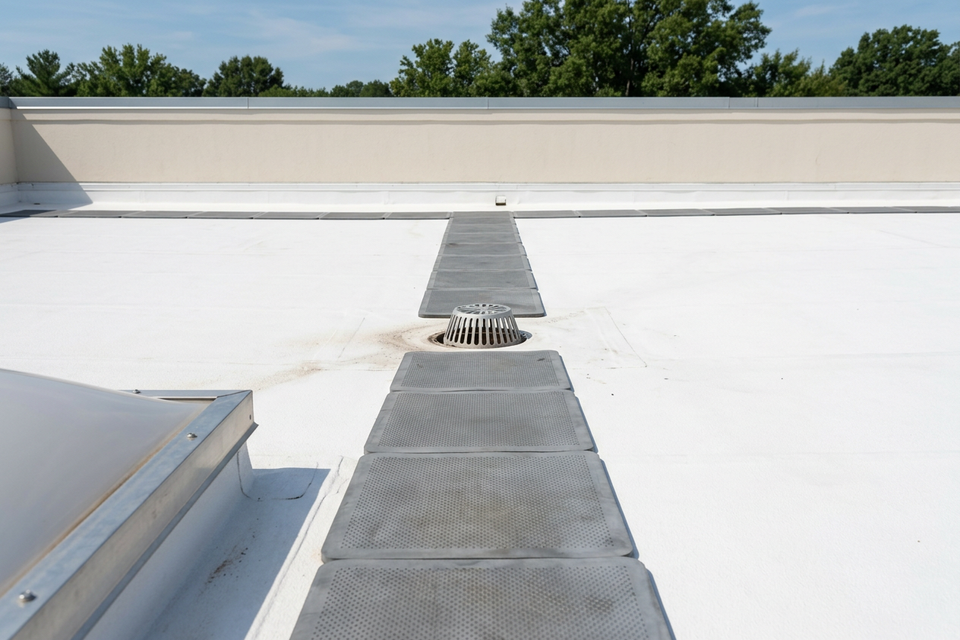
Walk a coated roof on a schedule and after other trades, repair it with materials that match the finish coat, and keep a dated log of what you found.
- From moisture map to restoration scope and material count
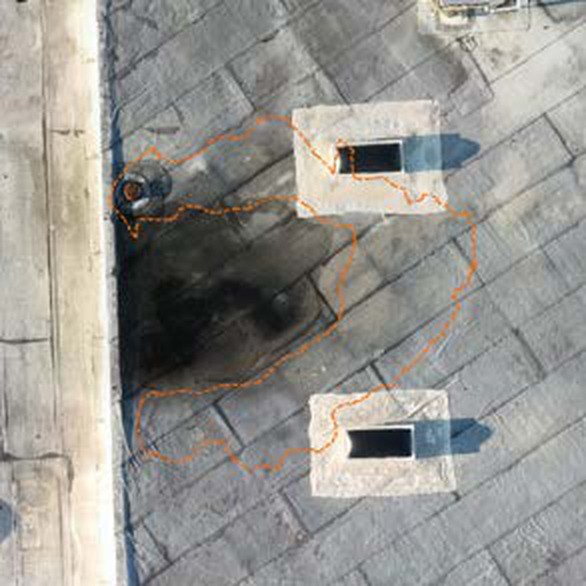
For roofing contractors: core the flagged areas, mark the cut-outs on the roof plan, then count primer, details and coats off the same plan.
- Ponding water and roof coatings: what to fix before you coat
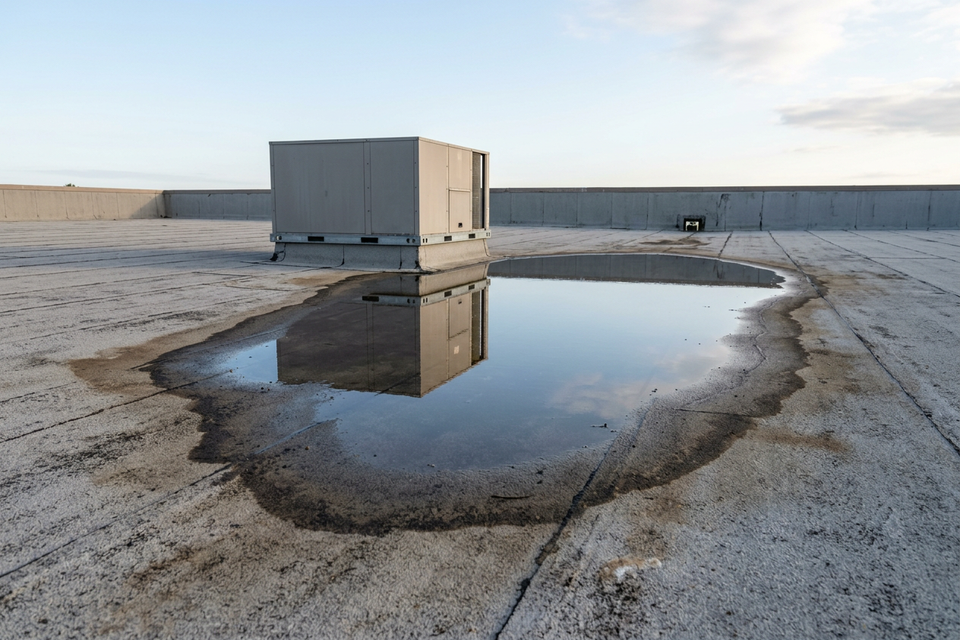
Ponding does not rule out a coating: find the cause, build up what can be built up, then put silicone or the solvent-based pair where water will still stand.
- The roof coating adhesion test patch: make it, pull it, read it
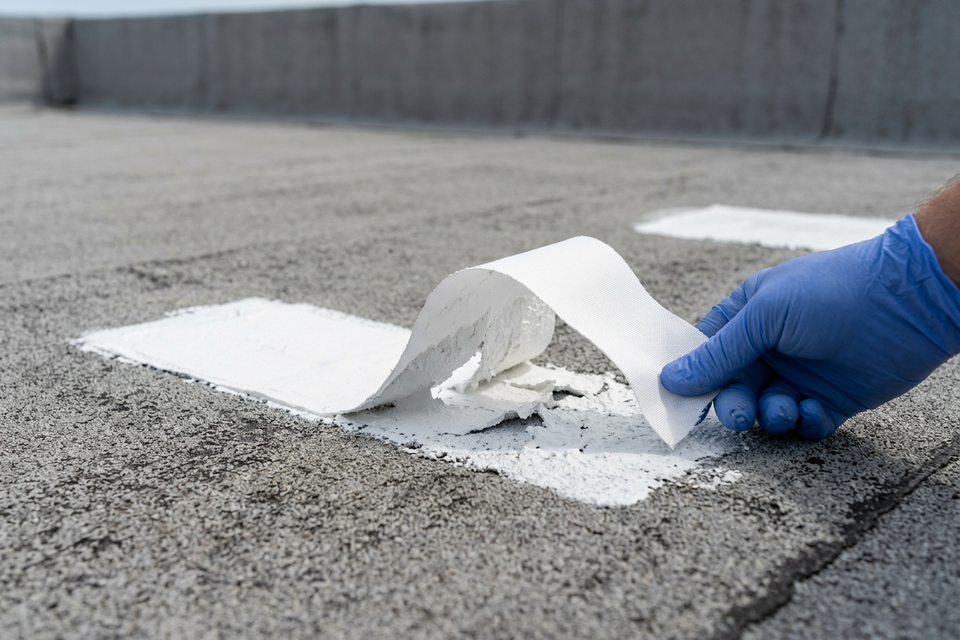
Only a test patch shows whether a coating will hold on a particular roof: where to put each one, how to make it, how to pull and read it, and what to record.
- Primers under roof coatings: what each substrate needs
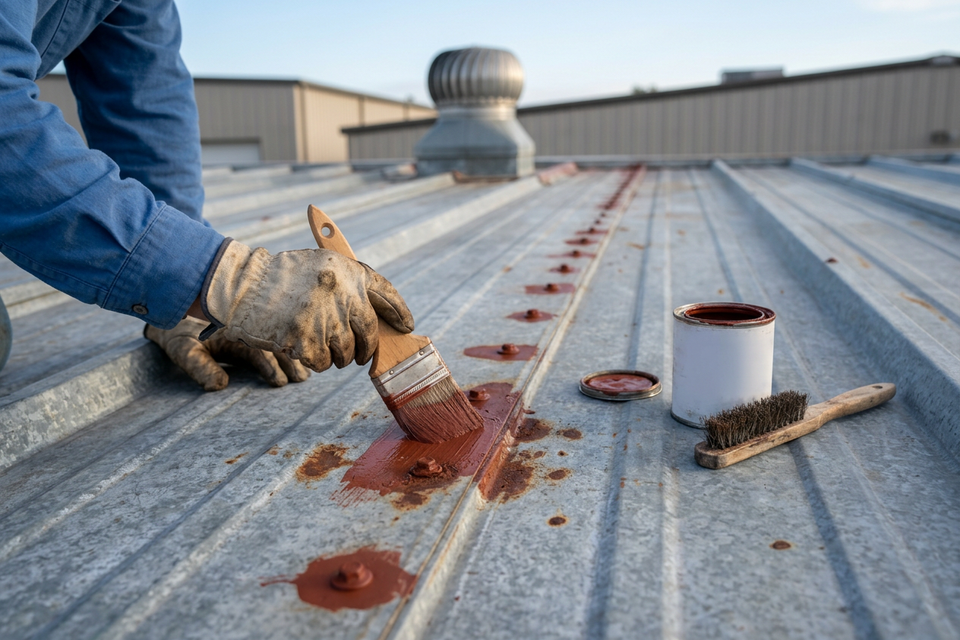
Whether a roof coating needs a primer depends on the substrate. Here is what metal, single-ply, asphaltic, concrete and foam roofs take, and what settles it.
- Roof coating warranties: what they are and what they ask of you
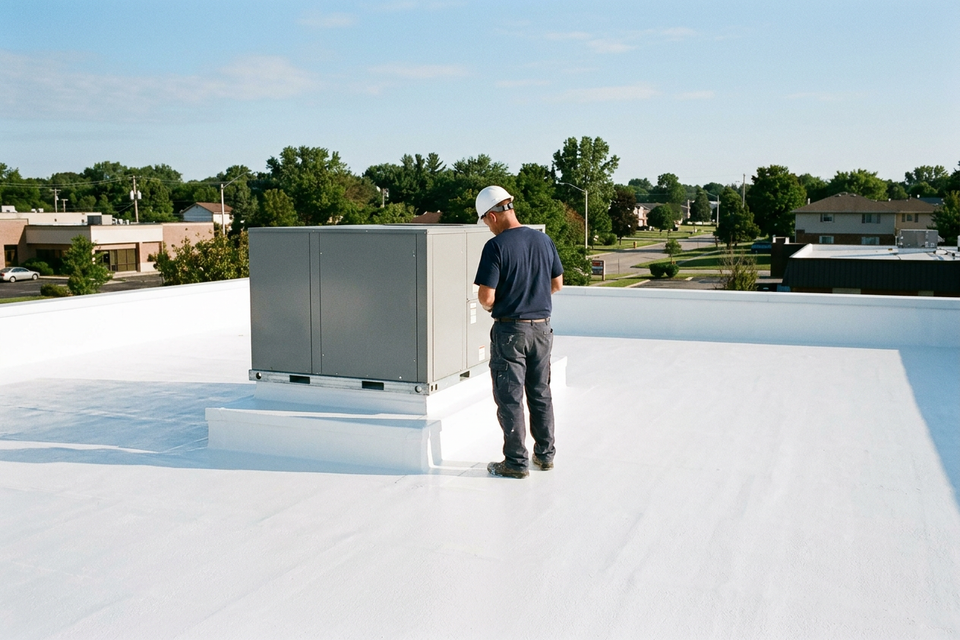
Product warranty or manufacturer's system warranty: here is who issues each, what specifications ask before one is issued, and what to ask before work starts.
- Roof core samples: the test cuts that confirm a moisture scan
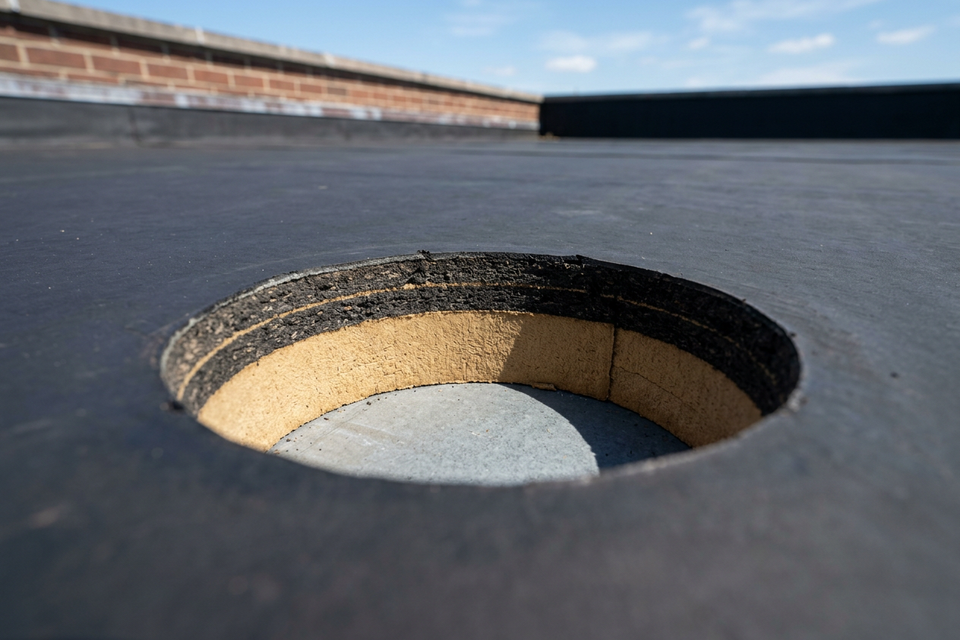
Core samples turn a scan's suspects into facts: what a cut shows, where to cut and how many, wet from dry by feel and by weight, and same-day patching.
- Infrared vs nuclear roof moisture surveys: four methods compared
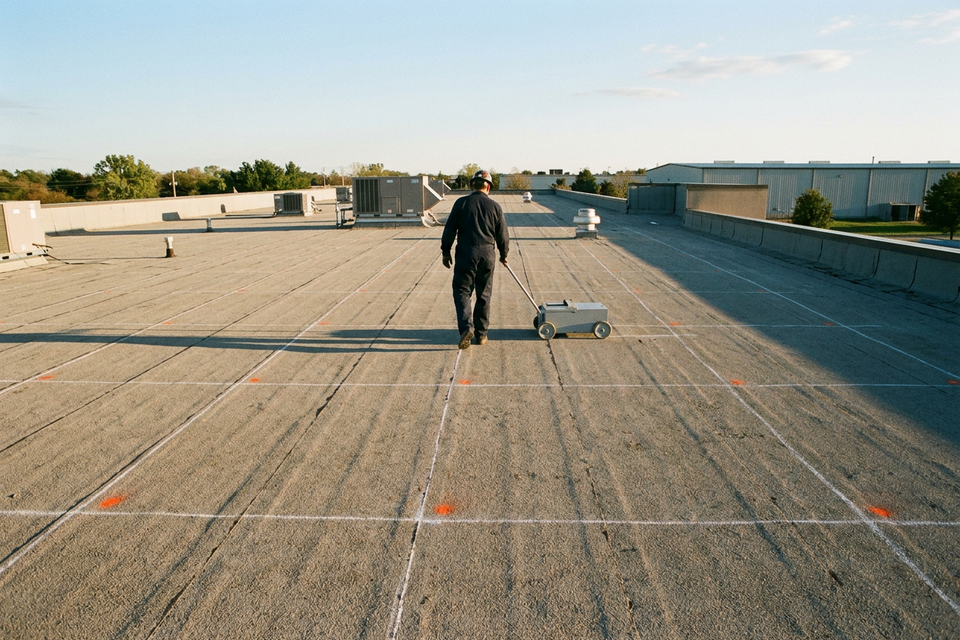
Infrared, impedance and nuclear roof moisture surveys each have roofs they cannot read, none sees water, and all end in core cuts: here is how to choose.
- Seams, fasteners and flashings: where restoration is won or lost
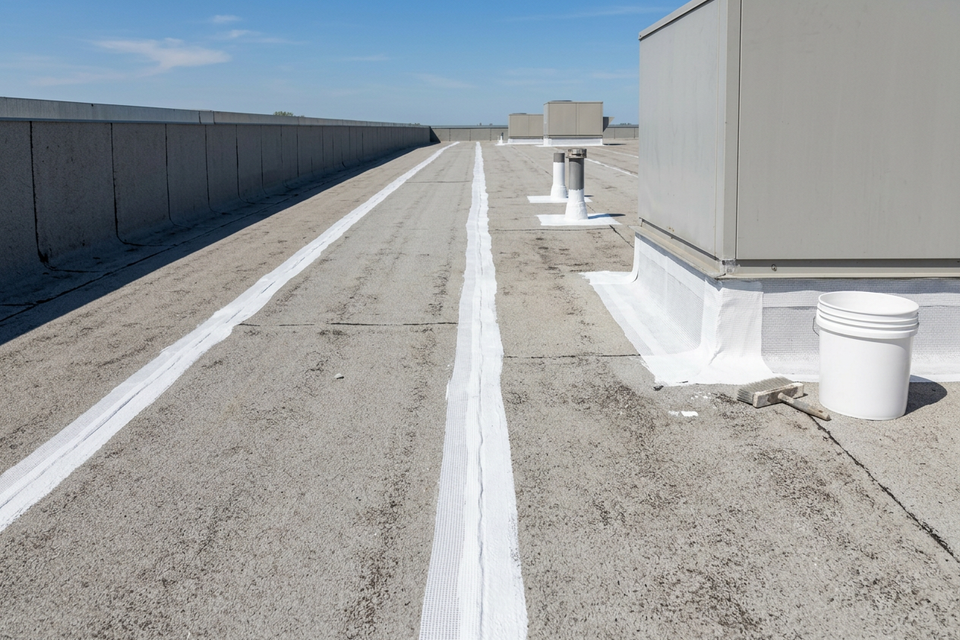
Reinforce every seam, fastener row and flashing before the field coats: butyl tape on metal, bonding tape on single-ply, fabric on asphaltic roofs.
- Silicone vs acrylic roof coatings: let the drainage decide
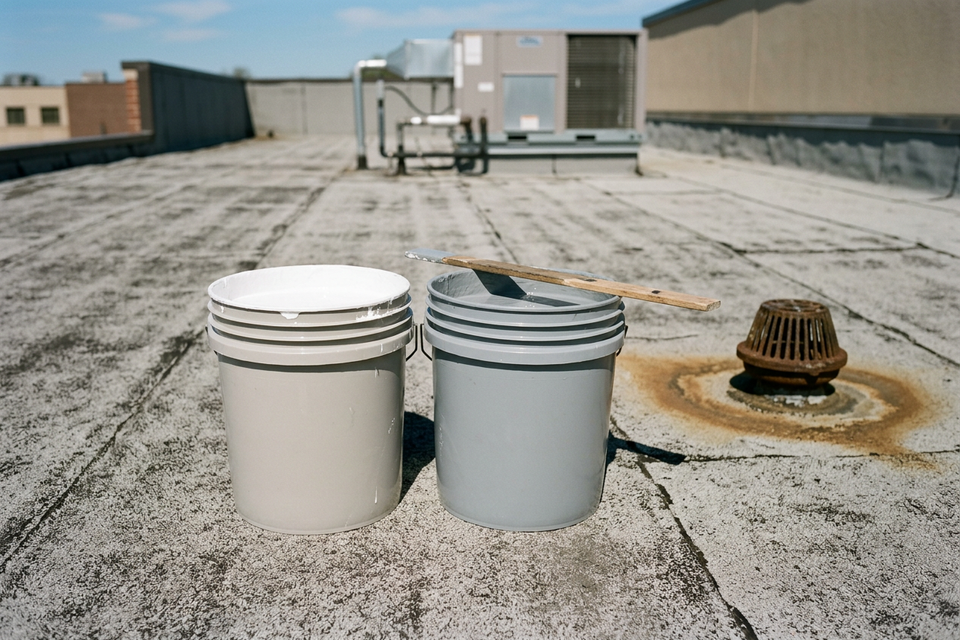
Acrylic where the roof drains, silicone where water stands: a side-by-side on ponding, sun, dirt, film build, recoating and cost, and what each commits you to.
- Wet mils, dry mils and coverage: the math behind a coating job
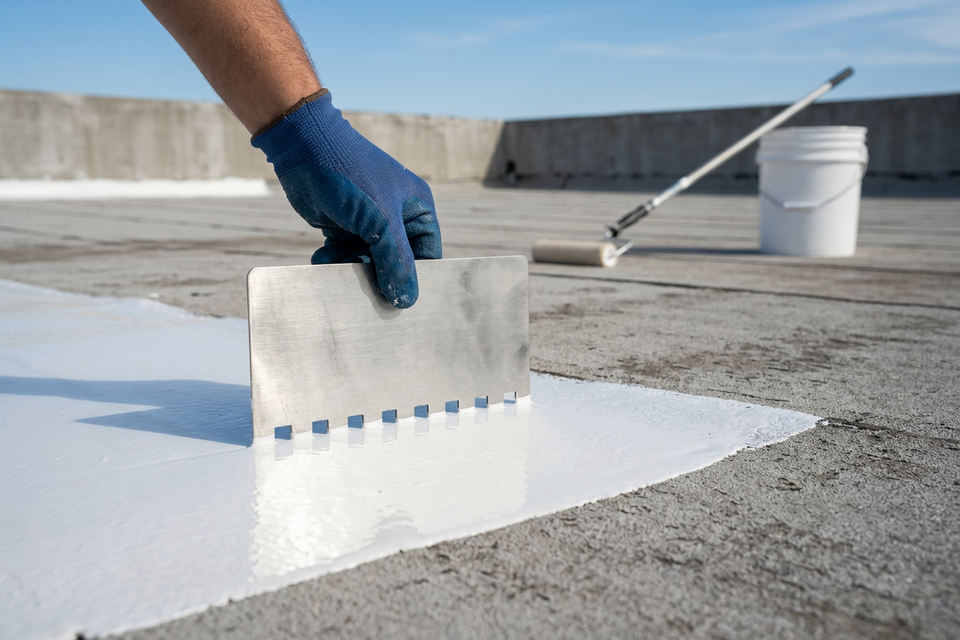
Dry mils are wet mils times volume solids, and a gallon over 100 sq ft is about 16 wet mils. Here are the formulas, worked examples and the checks on the roof.
- Wet insulation in a flat roof: why it comes out before a coating
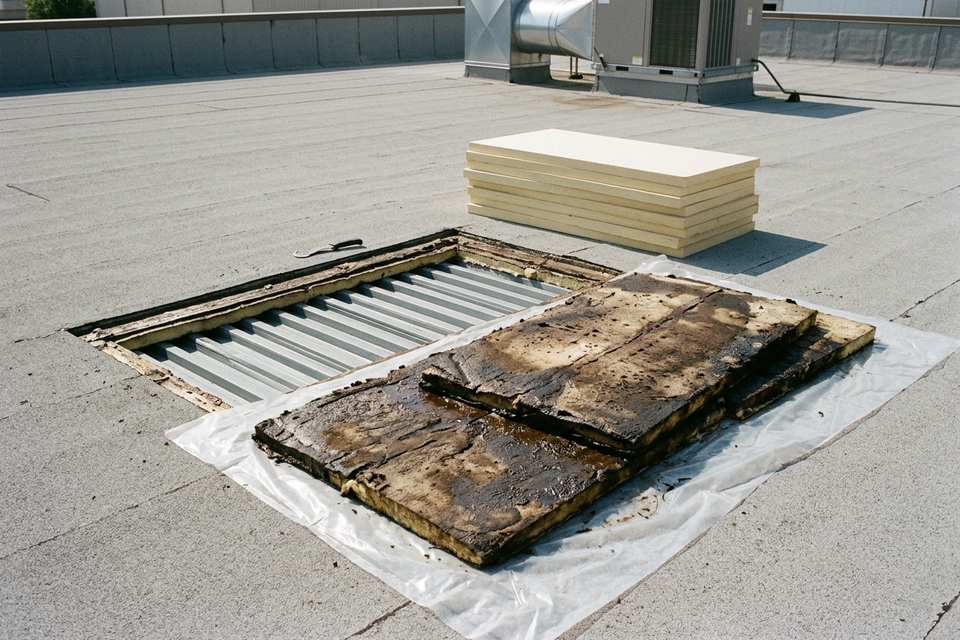
Wet insulation under a flat roof cannot dry on its own. What it does, how a scan and cores find it, how it is cut out, and when there is too much to restore.
- When to coat a flat roof: the day, the season and the budget year
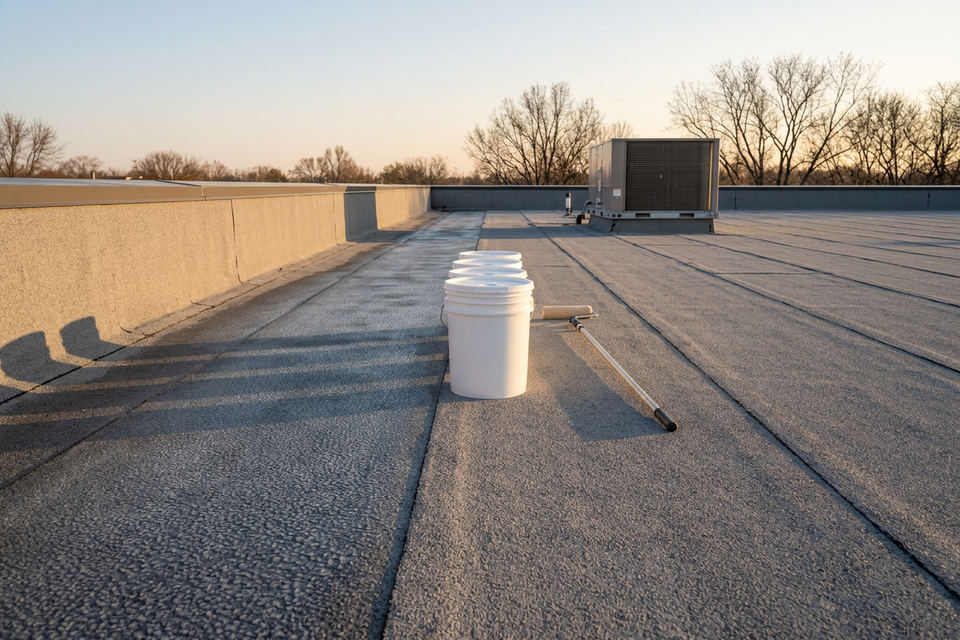
The local dry season, December to April in Florida, is the easiest time to coat a flat roof. The data sheet picks the day; the scan and budget come first.
- Which coating system goes over which roof
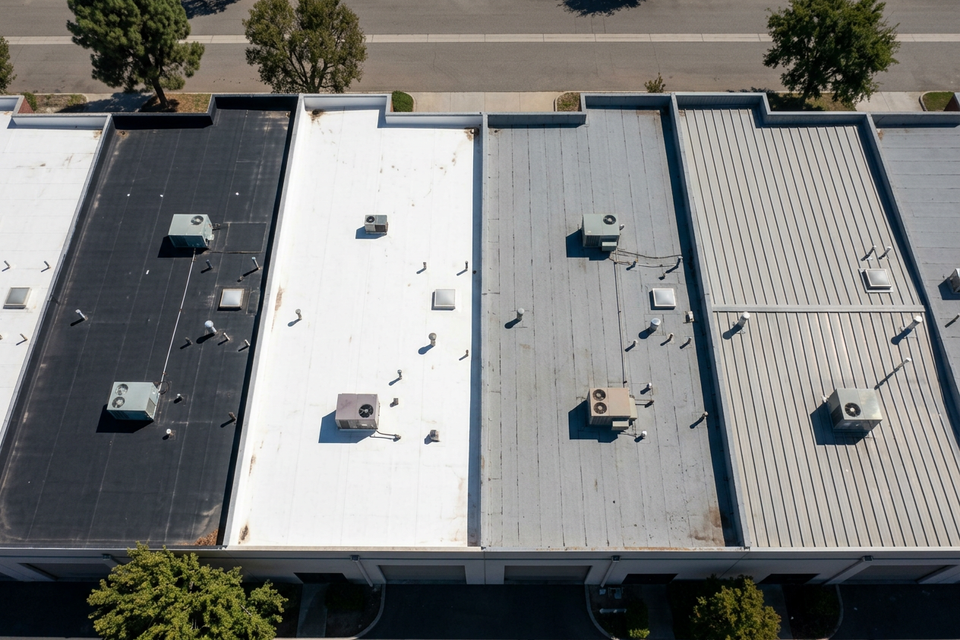
The acrylic and the silicone build-up for each roof: metal, EPDM, TPO, PVC, Hypalon, BUR, cap sheet, foam and concrete, with the part numbers.
- Why roof coatings blister, peel and fail, and how to prevent it
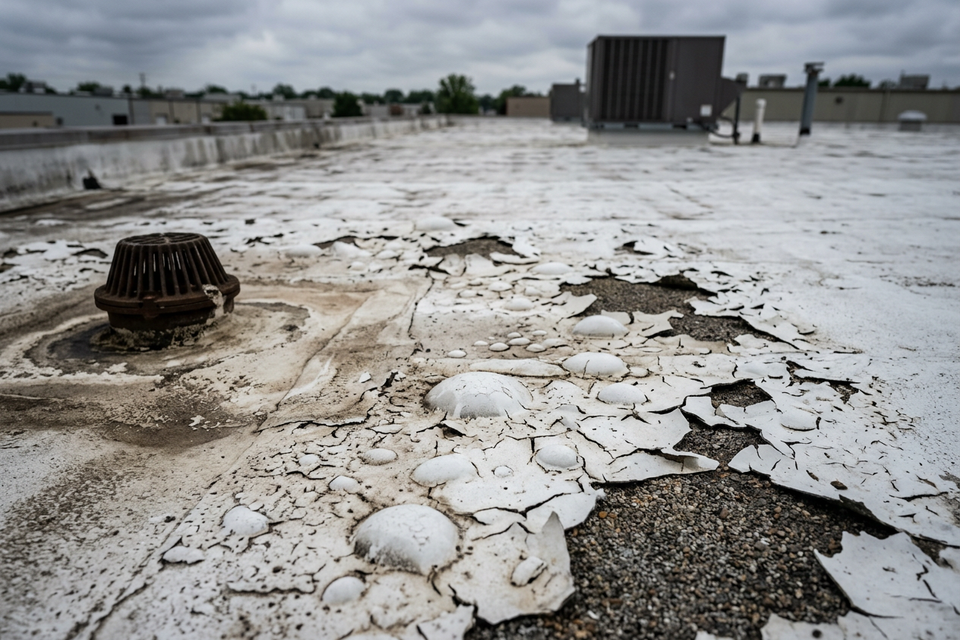
Roof coatings blister, peel and wear out early for eight known reasons, from moisture sealed under the film to skipped details. Here is what prevents each.
Still not sure?
A person answers quotes and questions Monday to Friday, 9am–5pm Eastern. We reply within one business day.