
Standing seam and R-panel metal roofs
Restore a metal roof from the fasteners up
On a metal roof the state of the metal decides the primer and the drainage decides the finish. Fasteners are tightened or replaced, laps, fastener rows and penetrations are closed, then an acrylic base and finish coat, or Silicone44 on its own, go over the whole field, with no tear-off. Genuine Sherwin-Williams Uniflex by part number, in stock and shipped in 1–3 business days.
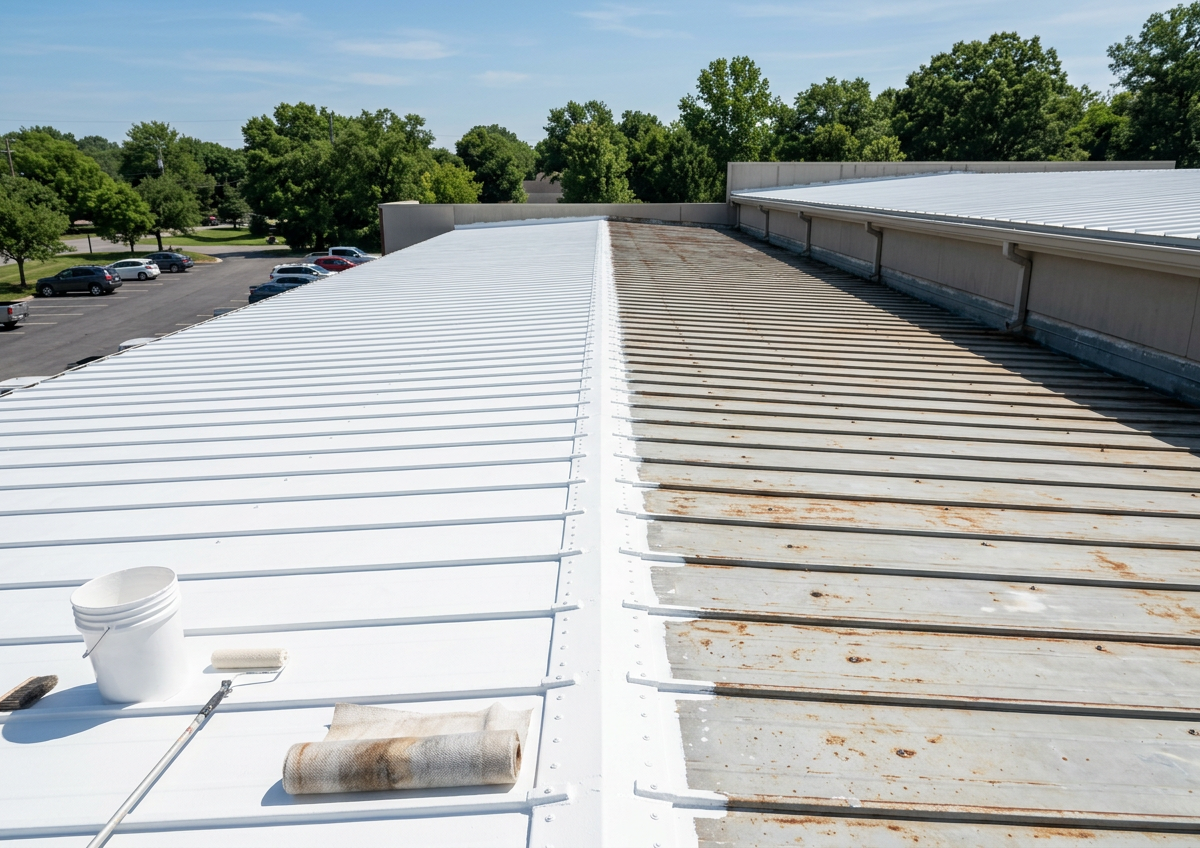
Candidate or not
Surface rust is a primer job; rust-through is not
Low-slope metal roofs wear in the same few places: rust at the laps and panel ends, fasteners backing out or no longer biting, seams opening, and sealant cracking at curbs and pipes. None of that rules a roof out by itself. What decides it is the metal: panels still fastened to sound framing, with rust on the surface rather than through it. Applied over a sound, dry roof, a restoration system adds 10 to 15 years of service life. A thermal scan is the wrong tool on metal, where reflections spoil the reading, so the survey is a walk of every seam, lap, fastener row, curb and penetration.
- Panels fastened to sound framing; whether the structure carries the work is the building's engineer's call
- Rust that cleans back to sound metal; a panel rusted through is replaced before anything is coated
- Fasteners that can be tightened, or replaced where they no longer bite
- Laps, seams and small holes that seam tape and patching cement can close
- Curbs, pipes and flashings that can be resealed and reinforced
- Any insulation under the panels is dry; wet insulation is cut out and replaced before coating
The build-up
What goes on a metal roof, from the panel up
Read it from the bottom. This is the acrylic system. The primer follows the metal: the red rust-inhibitive where steel has corroded, the acrylic white on pre-finished panels. Laps, fastener rows and penetrations are closed next, so the base coat runs over the details and the field alike. The finish coat is the surface the weather sees. Where water stands, Silicone44 takes the place of both coats, and the table further down sets out its build-up.
Metal roof, acrylic system
- Finish coat KST041300 White acrylic elastomeric, the surface the weather sees
- Base coat KST041320 Gray acrylic elastomeric across the whole field
- Details Seam tape KST020804, cement KST041220, sealant KST058300
- Primer KST034520 or KST036520 Red on corroded steel, white on pre-finished panels
- Existing metal panels Fasteners tight, loose rust off, clean and dry
Order of work
Fasteners first, finish coat last
Part numbers are Sherwin-Williams Uniflex. Each product's data sheet names the preparation, the rate and the cure; a written specification wins over this list.
-
Fasten, clean and take off loose rust
Tighten fasteners that have backed out and replace any that no longer bite. Take loose rust and scale back to sound metal, replace any panel rusted through, then pressure-wash the roof and let it dry as the data sheet requires.
-
Prime by the condition of the metal
Rust-inhibitive metal primer KST034520, red, on iron and steel where corrosion is the problem. Acrylic rust-inhibitive primer KST036520, white, on pre-finished fluorocarbon panels: it is the primer listed for them.
-
Tape, patch and seal every detail
Butyl seam tape KST020804, 4 in, over end laps, side seams and fastener rows; 2, 6 and 8 in widths are in the line too. Patching cement KST041220 at open seams, small holes and splits, reinforced with tape or fabric. MS hybrid sealant KST058300 around pipes, curbs and brackets.
-
Base coat over the whole field
Premium acrylic elastomeric base coat KST041320, gray, across the field and over the taped details; KST041520 is the commercial grade. A gray base under a white finish lets the crew see coverage.
-
Finish coat where the roof drains
Premium acrylic elastomeric finish coat KST041300, white; KST041500 is the commercial grade. White finish coats reflect sunlight and keep the roof surface cooler. Where water stands after rain, the finish changes, as set out below.
Materials
The metal roof system, in stock
Genuine Sherwin-Williams Uniflex by part number, in the maker's sealed packaging, shipped in 1–3 business days. The acrylic coats come by the pail, the 55-gallon drum and the 275-gallon tote; Silicone44 KST044300 (white), for where water stands, by the pail and the drum. Priced per project.
-
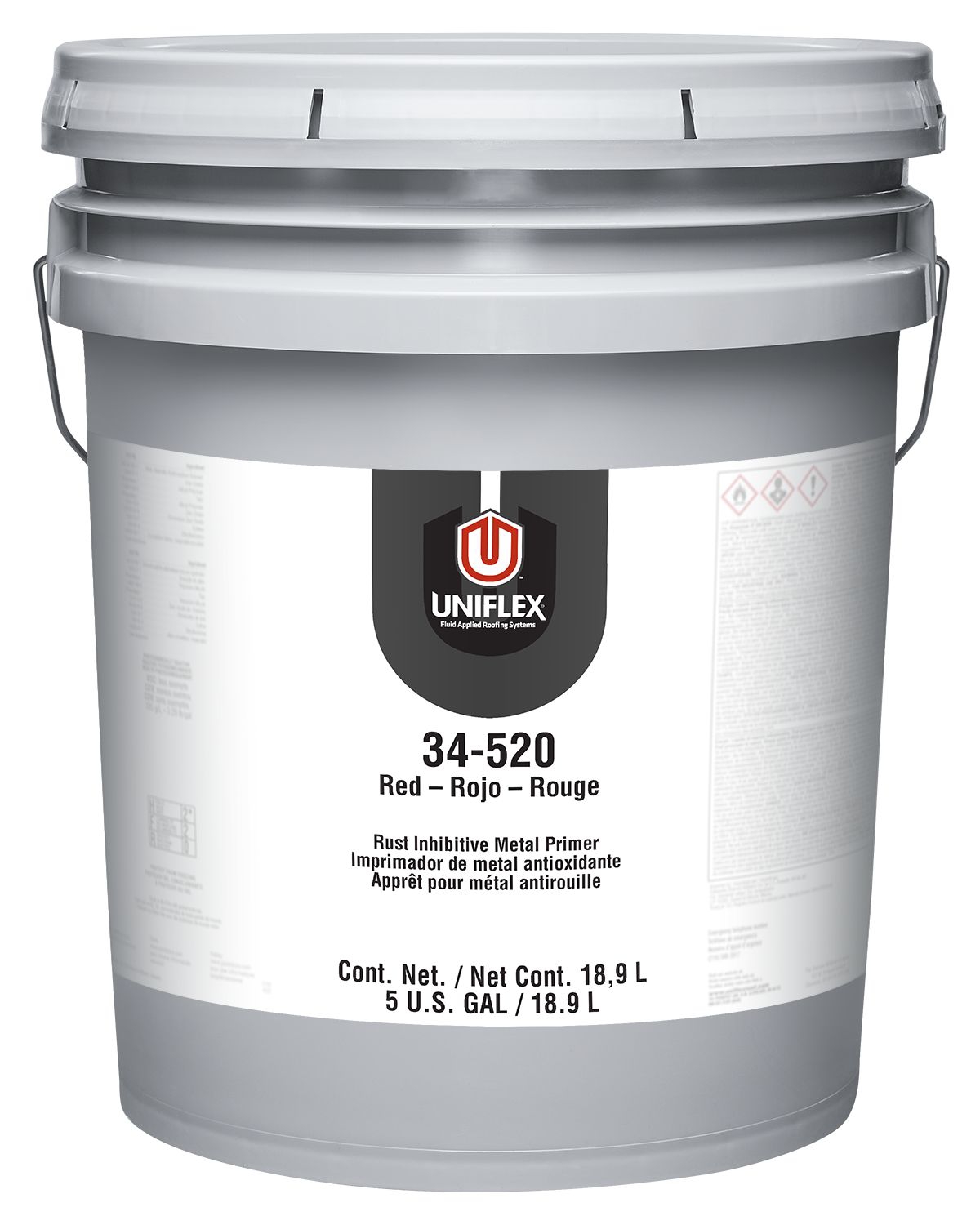
KST034520 Uniflex rust-inhibitive metal primer
-
KST036520 Uniflex acrylic rust-inhibitive metal primer
-
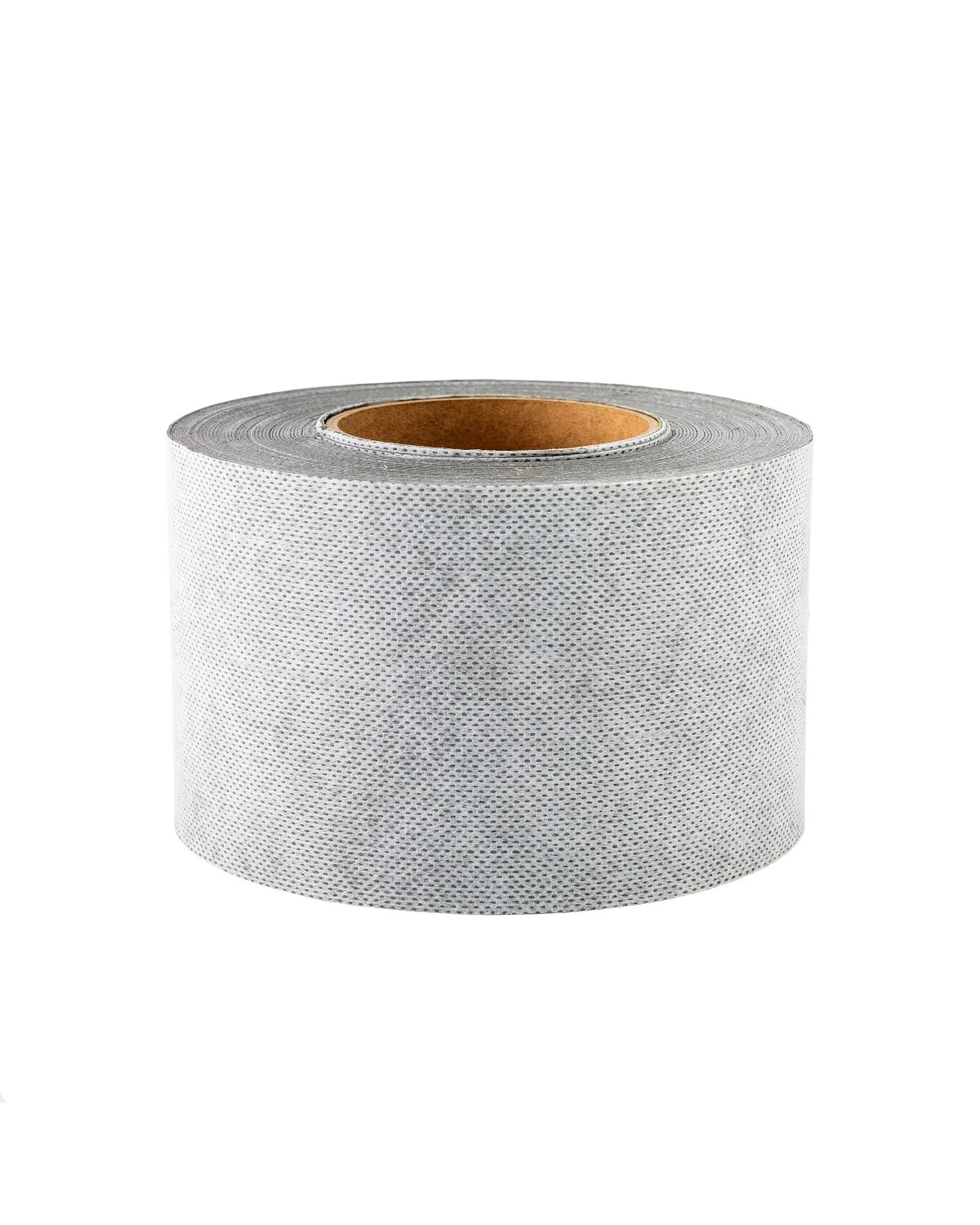
KST020804 Uniflex butyl seam tape · 4 in × 50 ft
-
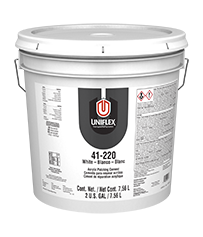
KST041220 Uniflex acrylic patching cement
-
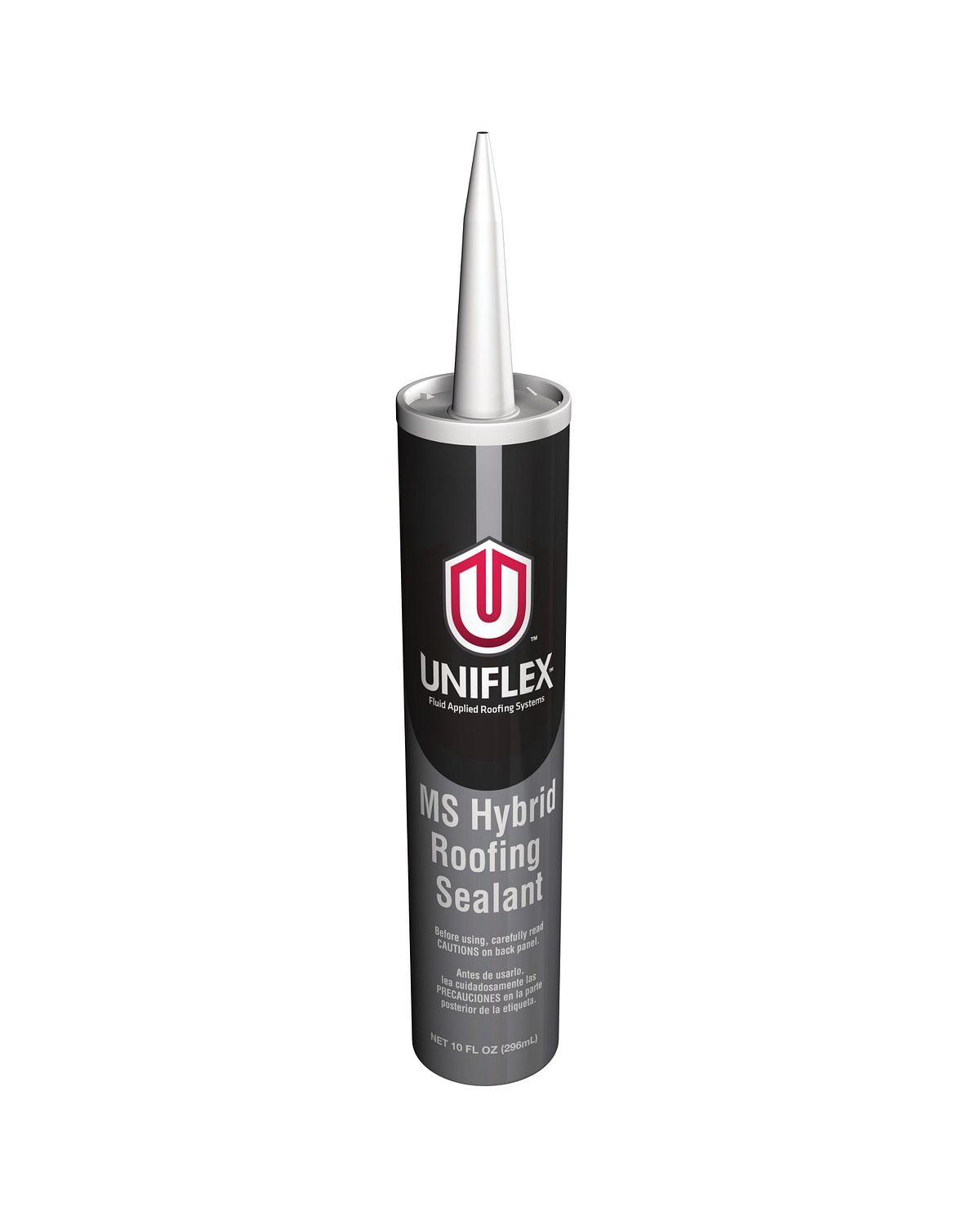
KST058300 Uniflex MS hybrid roofing sealant
-
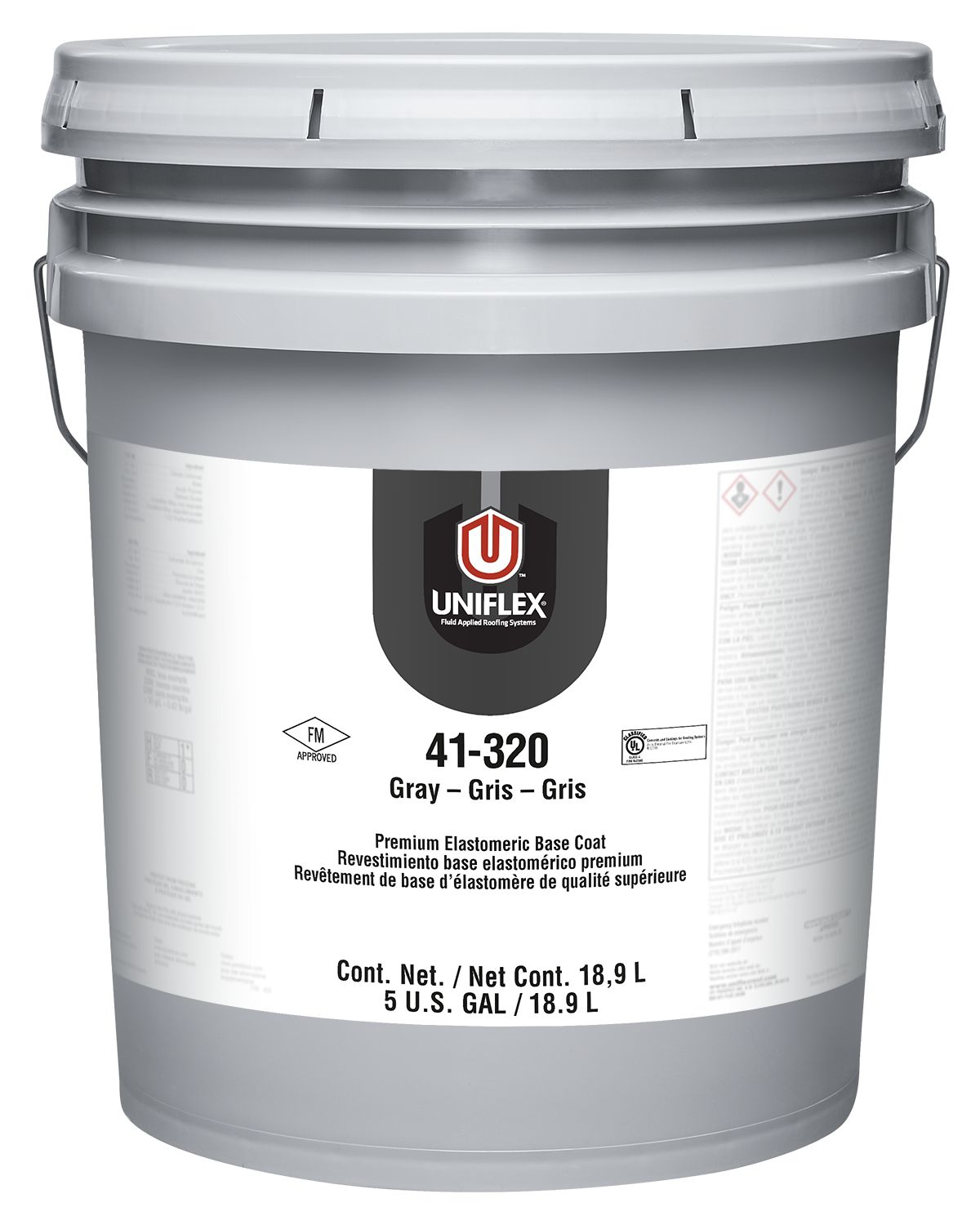
KST041320 Uniflex premium acrylic elastomeric base coat
-
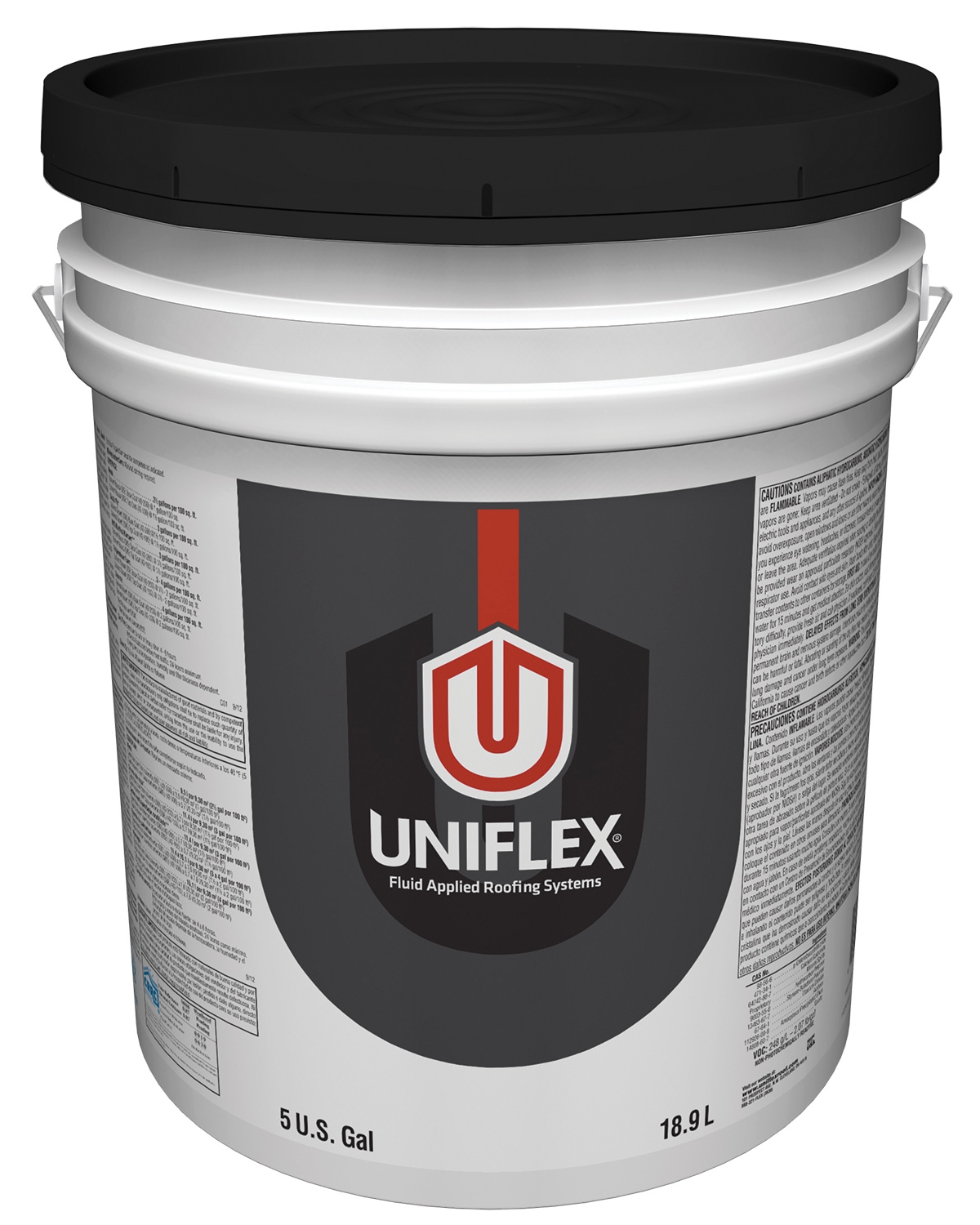
KST041300 Uniflex premium acrylic elastomeric roof coating
-
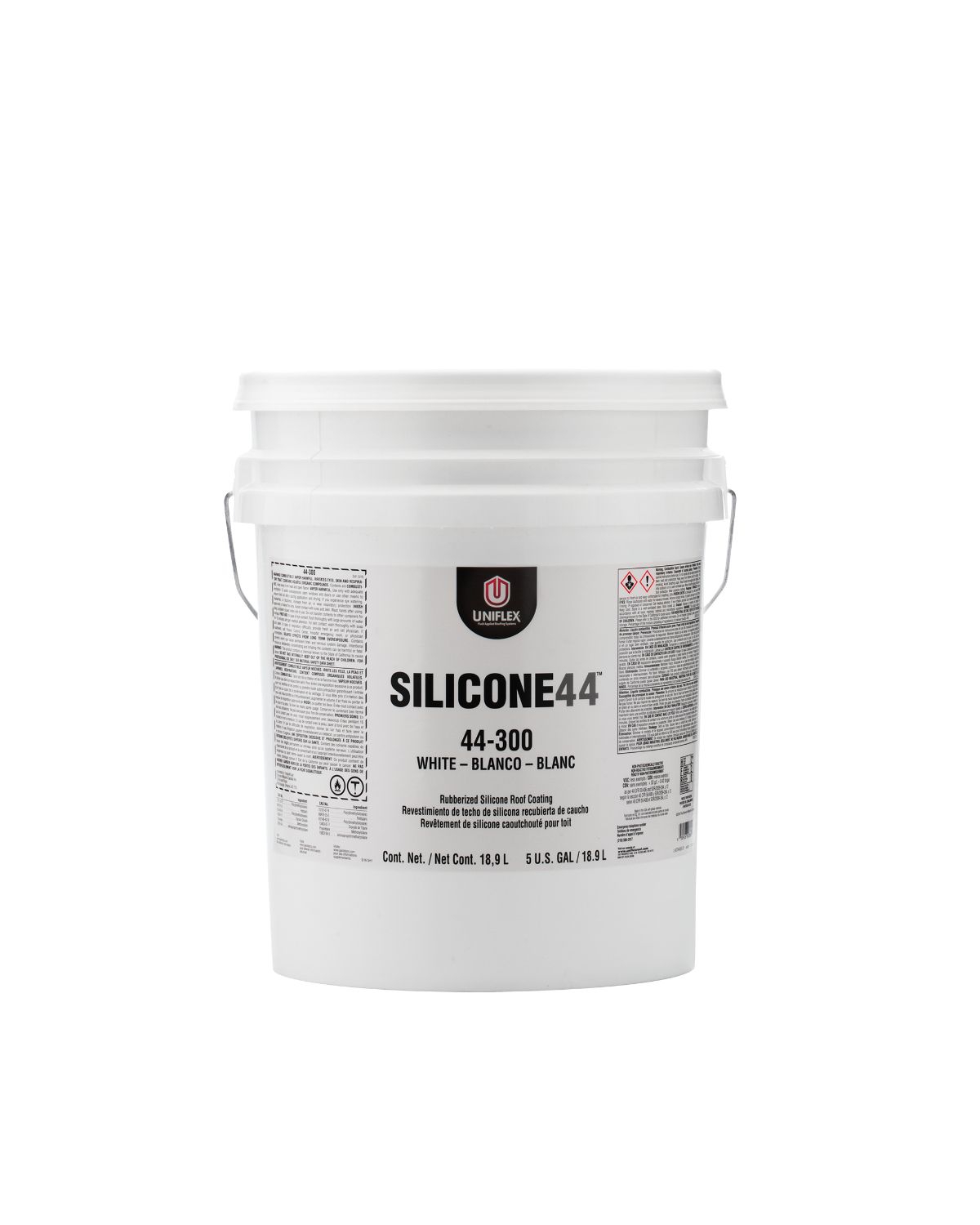
44-300 Uniflex Silicone44 rubberized silicone roof coating
Finish coat and specification
Pick the finish, then test it on the roof
Acrylic is the finish for a metal roof that drains; under prolonged ponding it can lose adhesion and peel. Silicone44 is made for standing water but does not fix drainage. Whether the roof should be carrying standing water at all is a structural question for the building's engineer.
| Where the roof drains | Acrylic finish coat KST041300 over base coat KST041320; the commercial grades are KST041500 and KST041520 |
|---|---|
| Where water stands: silicone | Laps open more than 1/8 in fastened, KST034520 on every rusted area, laps striped with Silicone44, then Silicone44 KST044300 (white) or KST044320 (gray). No base coat |
| Silicone on pre-finished (Kynar) panels | An adhesion test decides whether any primer is needed: send us the roof. KST036520 is the pre-finished panel primer for the acrylic system only |
| Silicone at curbs and penetrations | Uniflex's silicone specifications use its OneFlash sealant there, which we do not stock: ask us on the quote form |
| Where water stands: solvent-based pair | Solvent-based base coat KST042200 under finish coat KST042100, both listed for metal. Ships as regulated freight |
| Light rust: aluminum, the economical route | Fibered aluminum KST020475, or the commercial KST020480, directly over lightly rusted metal once the details are closed: no primer, no base coat, a silver finish. Ships as regulated freight |
| Heavier corrosion | Not aluminum: rust-inhibitive primer KST034520 under an elastomeric base coat and finish coat |
Questions
Before you coat a metal roof
How is a metal roof surveyed before it is priced?
Do I need a primer on a metal roof?
What do I do about the fasteners?
Can silicone go on a metal roof?
How long does a restored metal roof last, and is there a warranty?
Who applies the system?
Get the metal roof counted and priced
Send the roof area, the panel type and where the rust is, the linear feet of laps and seams, a count of fastener rows and penetrations, and whether water stands. We reply with the price, the freight and a ship date. No contractor yet? Say so, and we can introduce one anywhere in the US.
We reply within one business day.