Silicone vs acrylic roof coatings: let the drainage decide
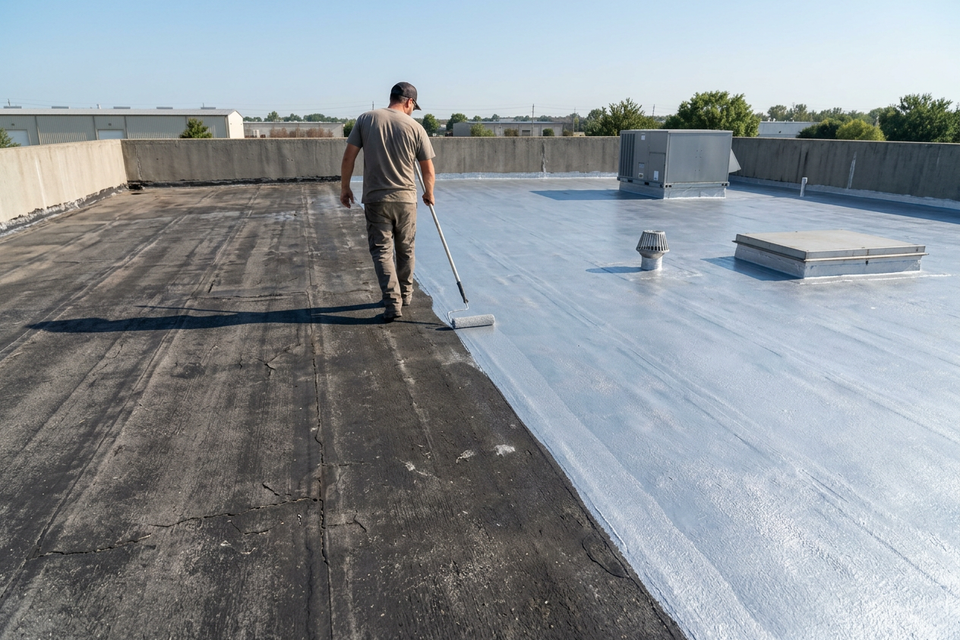
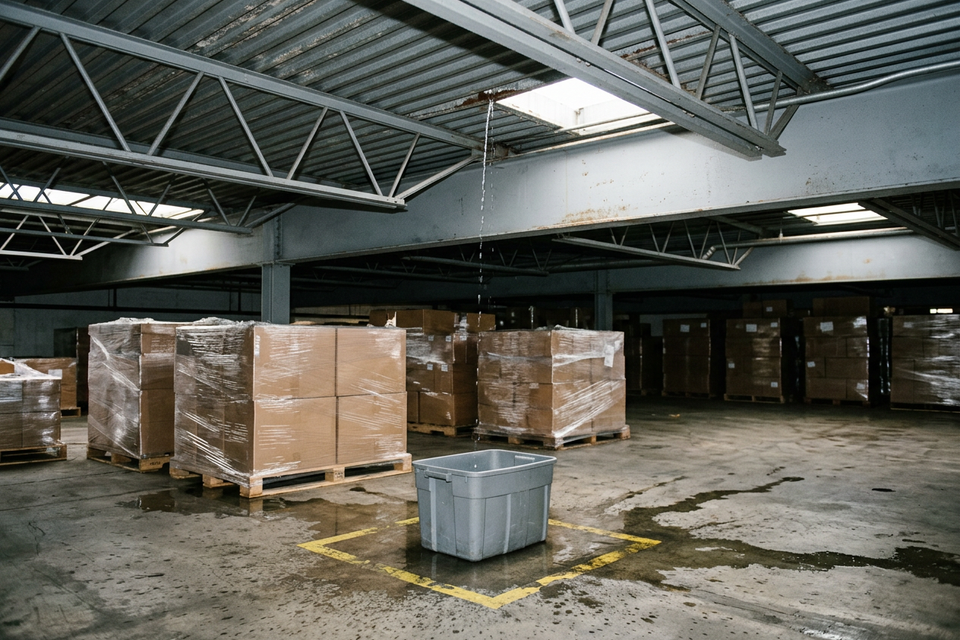
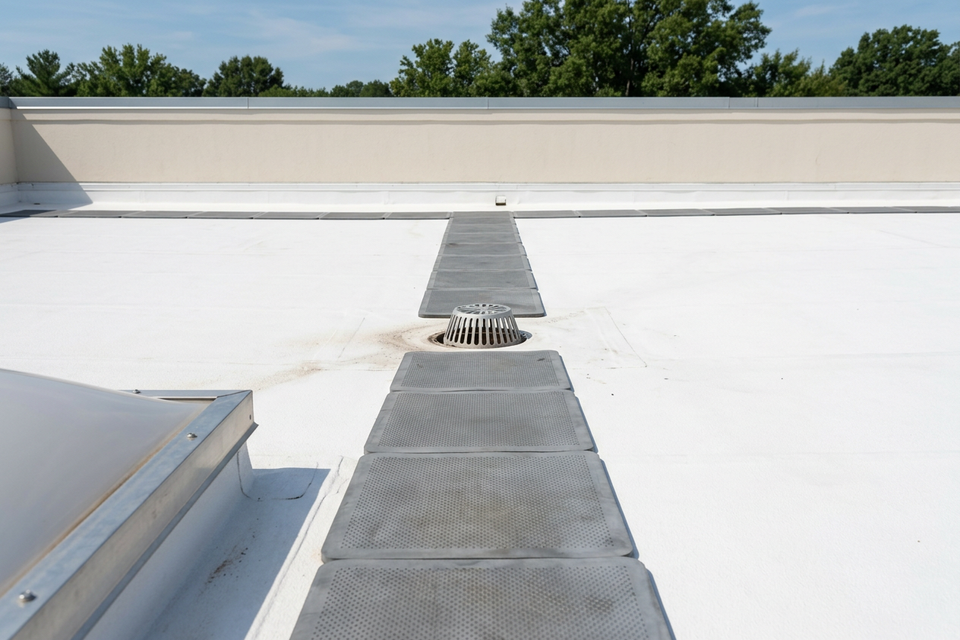
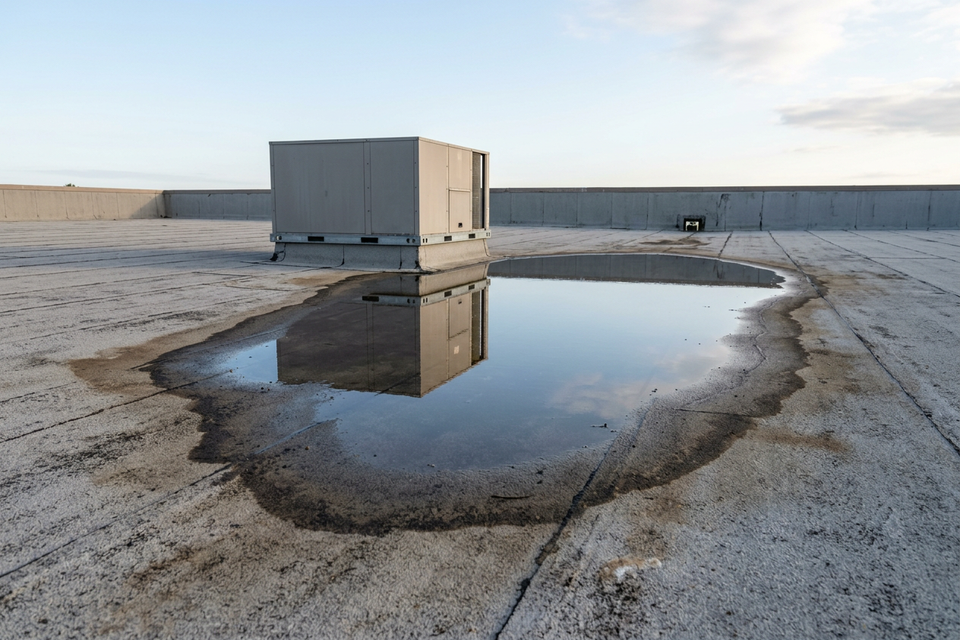
The choice comes down to where the water goes. On a low-slope roof that drains after rain, an acrylic finish coat is the default: water-based, white, and toward the low end of what a restoration costs installed. Where water stands, across the field or in the same low spots after every rain, the finish coat is silicone or, on the roofs it is listed for, the solvent-based elastomeric pair.
That is the short answer. The longer one is what each choice commits the roof to: what goes under it, how the surface behaves underfoot, and what can go over it next time. The two are not one build-up with a different top. An acrylic finish goes over a base coat chosen for the substrate; Sherwin-Williams Uniflex puts no acrylic base coat under its silicone at all. And contractors commonly work to the rule that little adheres to cured silicone except silicone, so choosing silicone is also choosing the coat after this one.
Acrylic and silicone, side by side
| Question | Acrylic | Silicone |
|---|---|---|
| Water that stands | Can lose adhesion and peel under prolonged ponding | Made for areas where water stands |
| What goes under it | A base coat by substrate, and a primer where the roof needs one | No base coat; a primer only where the roof calls for one |
| Sun and weathering | Suited to high UV; chalks and slowly loses film thickness | Performs in high UV |
| Dirt pick-up | Holds less dirt than silicone | Picks up more dirt than other coatings; white dulls sooner |
| Solids and film build | Water-based: the film dries thinner than it goes on, so it takes more gallons | High solids, so most of the wet coat stays as film |
| Recoating later | Can go to silicone once it is sound and aged | Plan on silicone again |
| Application window | Water-sensitive until cured; needs dry weather | A dry surface with no dew on it; the data sheet sets the limits |
| Cost position | Toward the low end of the installed range | Toward the high end |
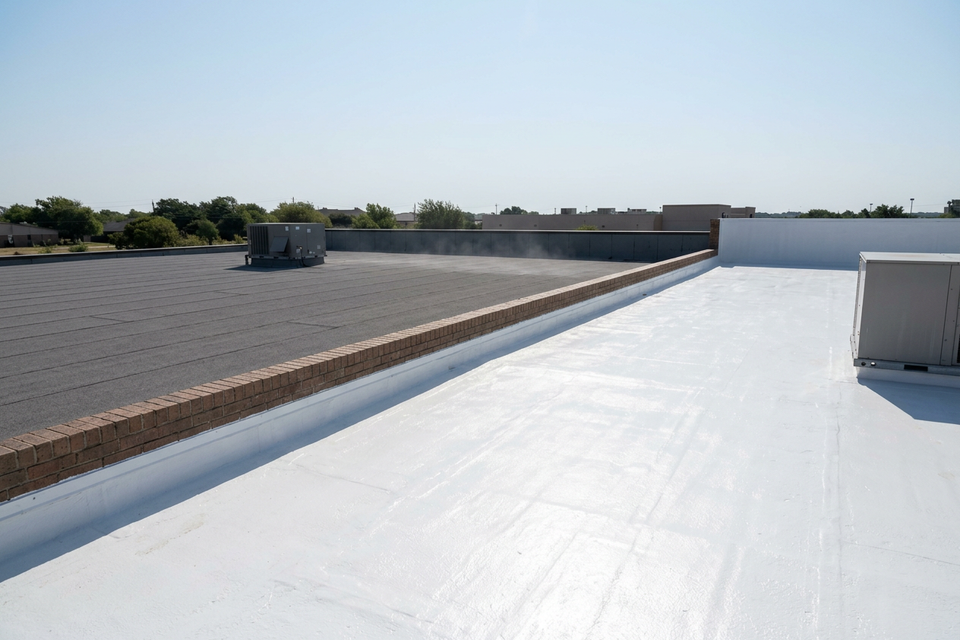
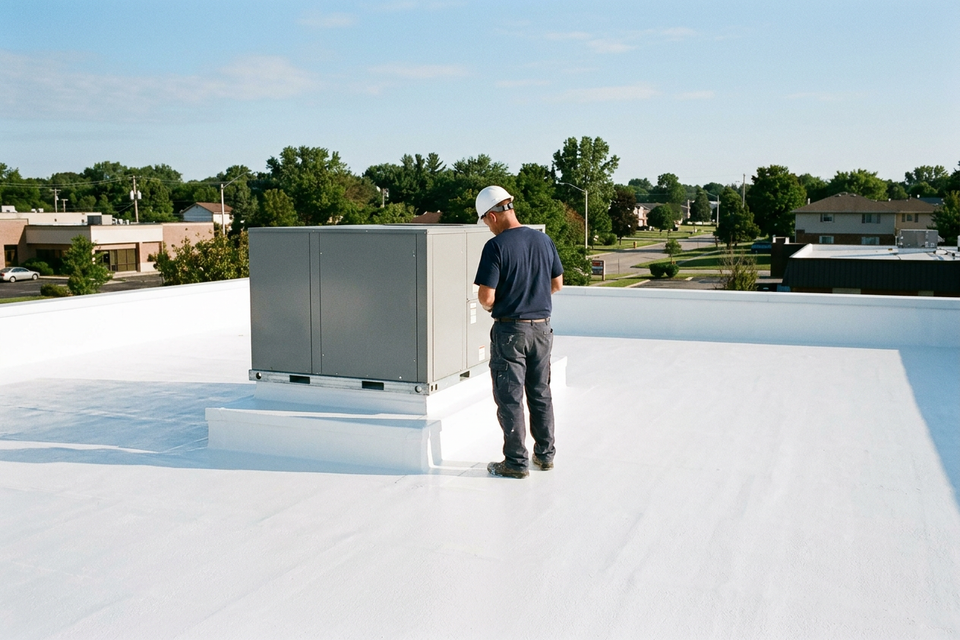
Both come in white. White finish coats reflect sunlight and keep the roof surface cooler. For reference, the 2021 International Building Code added a roof coatings section, Section 1509, that names a material standard for each: ASTM D6083 for acrylic, ASTM D6694 for silicone. The installed ranges are on the cost page.
The rule: drainage picks the chemistry
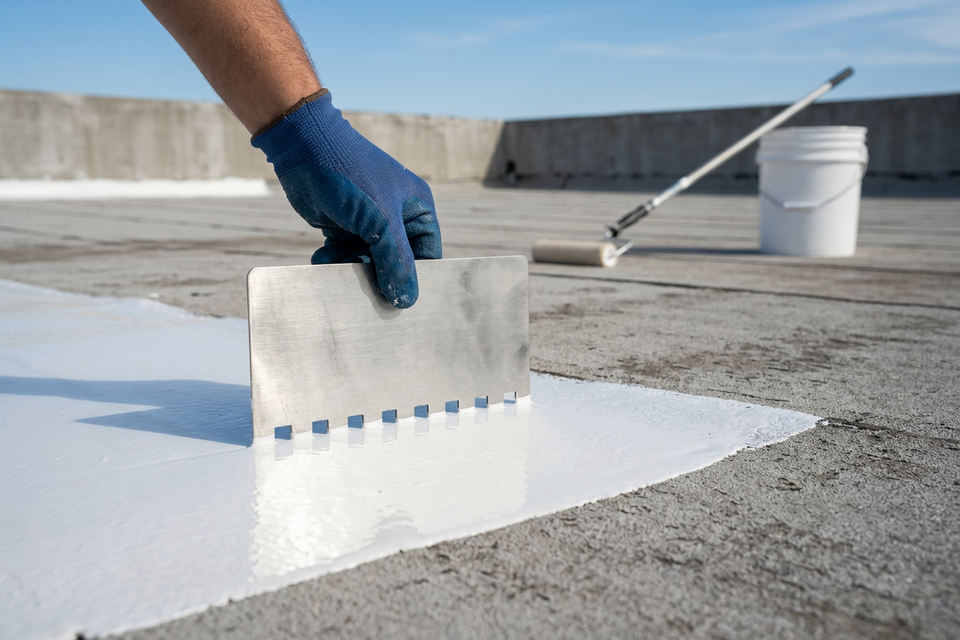
A roof that drains takes acrylic. In the Sherwin-Williams Uniflex line that is the premium acrylic finish coat KST041300 or the commercial-grade acrylic KST041500. Both are water-based and white, in pails, drums and totes.
A roof that holds water takes silicone, because under prolonged ponding an acrylic film can lose adhesion and peel. Here that is Silicone44 KST044300 (white) or Silicone44 KST044320 (gray). Every finish coat is at Elastomeric & silicone finish coats.
Two cautions. Silicone does not fix drainage. Uniflex’s silicone specifications still expect at least 1/4 in per ft of slope and working drains, water that stands for long means more inspection, cleaning and recoating over the years, and standing water still loads the structure: where the roof deflects, the question belongs to the building’s engineer. And a few low spots are not a roof that holds water. Low areas at drains, in valleys and along parapets can be built up with Slope Builder KST0SLPBD, and a roof that then drains is back in the acrylic column. No silicone specification names Slope Builder under Silicone44, so under silicone the adhesion test and Uniflex decide. Ponding water and roof coatings takes that further.
The other answer where water stands
The solvent-based elastomeric is a thermoplastic rubber coating sold as a pair: base coat KST042200 in gray under finish coat KST042100 in white, one resin system. It is listed for metal, sprayed polyurethane foam, smooth built-up, modified bitumen and granular cap sheets. Single-ply membranes are not on that list: on EPDM, TPO and PVC the finish where water stands is Silicone44, and a Hypalon roof that holds water is one to send us, because no Uniflex silicone document covers Hypalon. Contractors choose the solvent-based pair because the specification names it or because site conditions are outside what a water-based coating will take; it ships as regulated freight, quoted with the order.
What goes under each finish
The substrate decides what goes down first, and the finish decides whether a base coat goes down at all.
| Roof | Under an acrylic finish | Under Silicone44 |
|---|---|---|
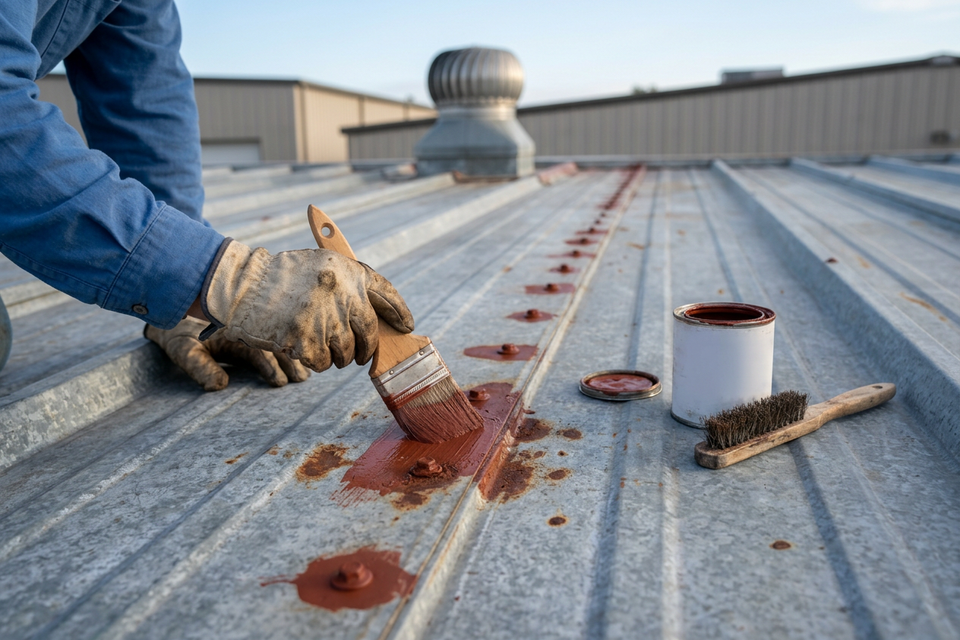
| Metal | Rust-inhibitive primer KST034520 on corrosion, or KST036520 on pre-finished panels; base coat KST041320 | KST034520 on every rusted area; laps striped with Silicone44; no base coat |
| EPDM | Wash primer KST038620; base coat KST041321 | Wash primer KST038620, rinsed; seams sealed with KST058310 |
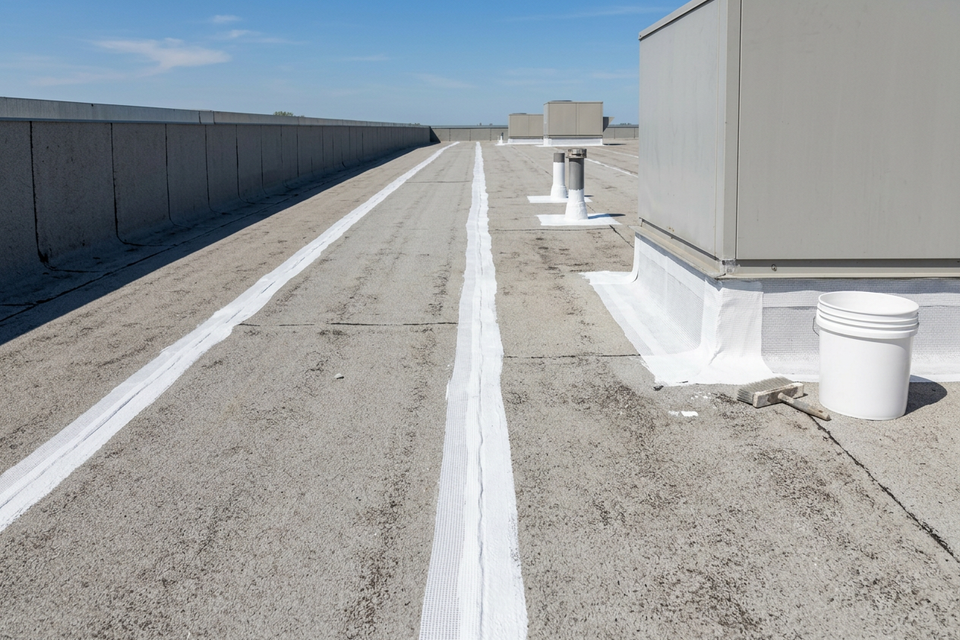
| TPO and PVC | Pressure wash; base coat KST041321 | Adhesion test, then Silicone44 directly on weathered membrane; seams KST058310 |
| Hypalon | Pressure wash; base coat KST041321 | Send us the roof |
| Mod bit, smooth BUR, cap sheet | MB base coat KST041510 is the first coat | Bleed Blocker Primer where the asphalt is newer; seams KST058310; no base coat |
| Sprayed foam | Base coat KST041520 on sound foam | Silicone44 directly on sound foam |
| Concrete | Concrete primer KST036500; base coat KST041320 | Silicone44 directly on clean, cured concrete |
A few lines the table cannot hold. On factory-finished (Kynar) metal, an adhesion test decides whether Silicone44 needs any primer, so send us the roof. New, unweathered EPDM, TPO and PVC take a primer the weathered membrane does not; ask us. Uniflex’s Bleed Blocker Primer is not in our catalogue, and neither is the OneFlash sealant its silicone specifications use at curbs and penetrations: name them on the quote form and we answer. Uniflex asks for concrete cured at least 29 days, with moisture at 15% or less and sealers and release compounds removed. On PVC under an acrylic finish, Uniflex’s single-ply specification covers the membrane and the adhesion test settles the build-up.
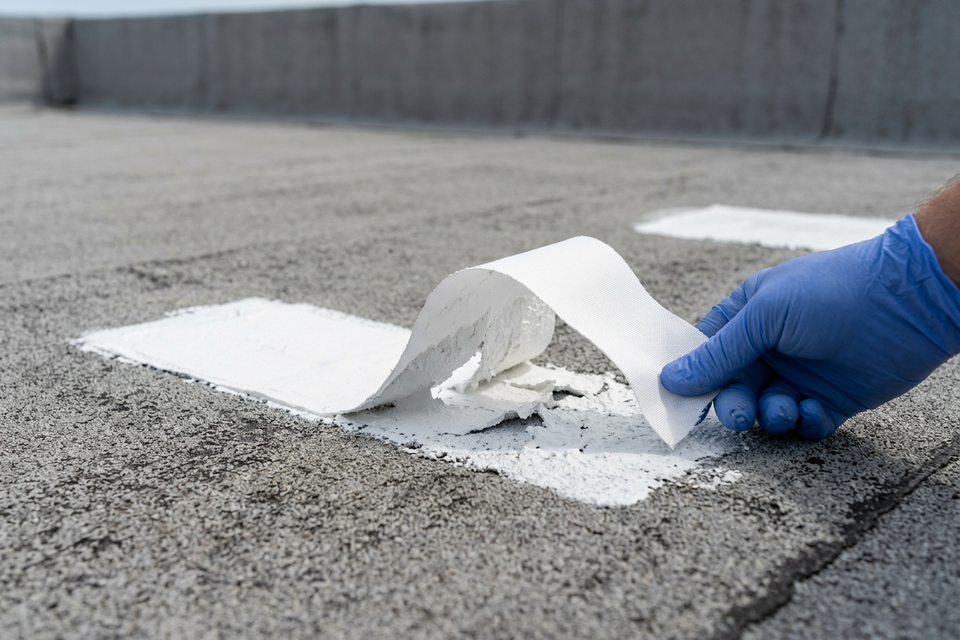
Every silicone job starts with an adhesion test: a small patch of Silicone44 with a fabric strip embedded, left three days, then pulled. Uniflex looks for at least 2 lb per inch; a lower result goes to Uniflex, which decides the primer. Which system goes over which roof walks each substrate, primers for roof coatings covers the first coat, and the systems pages take one roof type at a time.
What silicone commits you to
The next coat is silicone. The rule that little adheres to cured silicone except silicone is a contractors’ rule of thumb, and the next product’s data sheet has the last word, but plan on it. Ask the same about repairs: what will bond to this surface when a curb is added or a flashing resealed. The rule runs one way. Silicone44 goes directly over a sound, aged acrylic, silicone or urethane roof coating once it is washed, loose coating is scraped back and adhesion tests pass, so a sound acrylic roof can go to silicone later; a silicone roof is not expected to go back.
It is slick when wet. A silicone surface is slippery underfoot when wet, and it is a soft film with less abrasion resistance than other coatings. If service crews walk to rooftop units regularly, settle the walk routes with the contractor before the finish coat is chosen.
It holds dirt. Silicone picks up dirt more than other coatings, so a white silicone roof dulls sooner. Looking after a coated roof covers the upkeep.
What acrylic asks of you
A dry weather window. Acrylic is water-sensitive until it has cured, so it wants dry weather from application through cure. The data sheet sets the temperature limits, and the material must not freeze in transit or storage.
More gallons for the same film. Dry film is wet film times volume solids. A water-based coating gives up its water as it dries, so the same dry film takes more material than a high-solids silicone; wet mils, dry mils and coverage has the arithmetic.
It chalks. Acrylic weathers by chalking and slowly losing film thickness. That is normal wear, and the reason to put down the film the data sheet calls for instead of stretching the pails.
What neither coating does
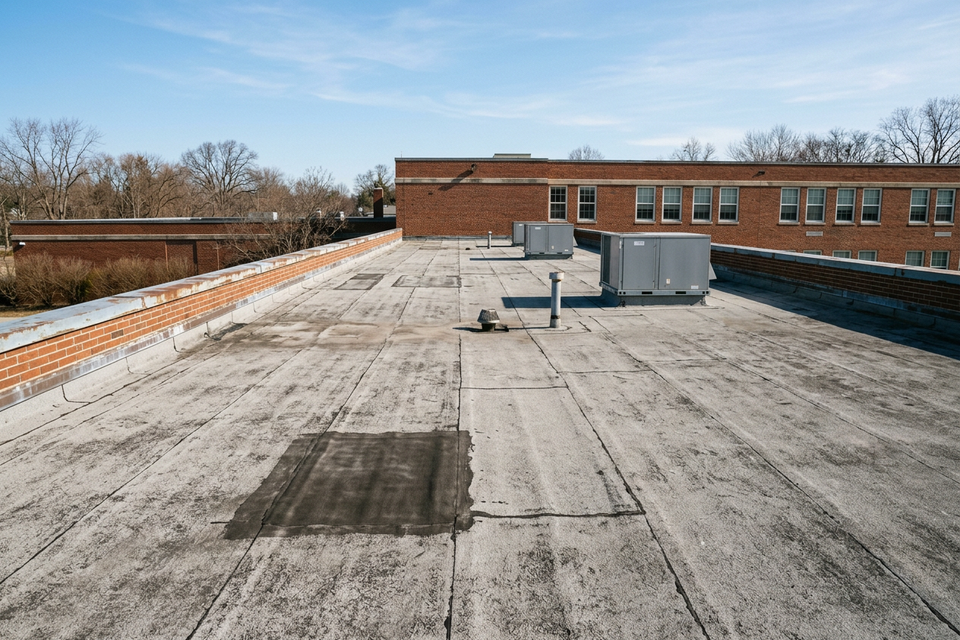
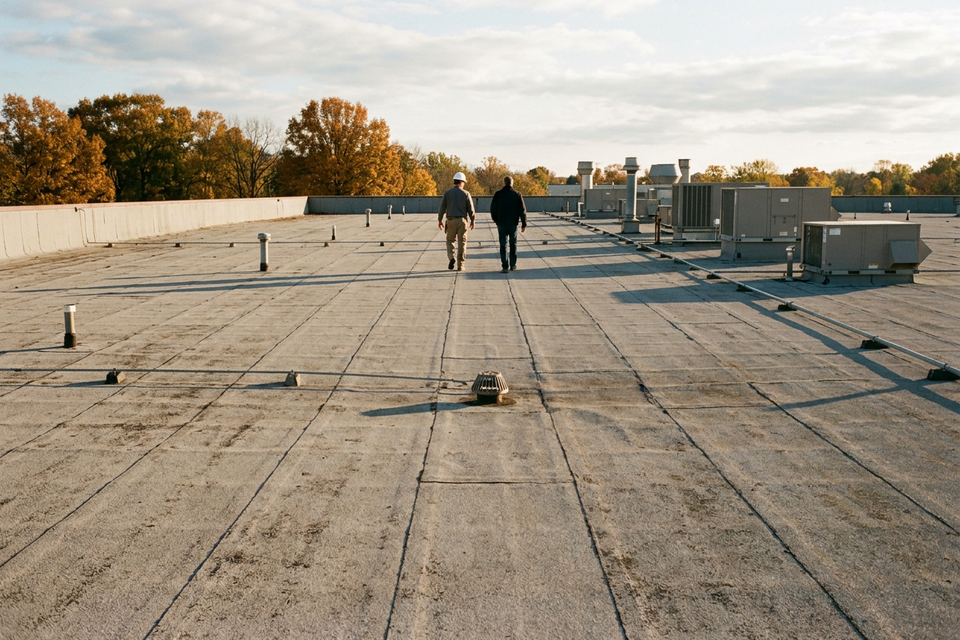
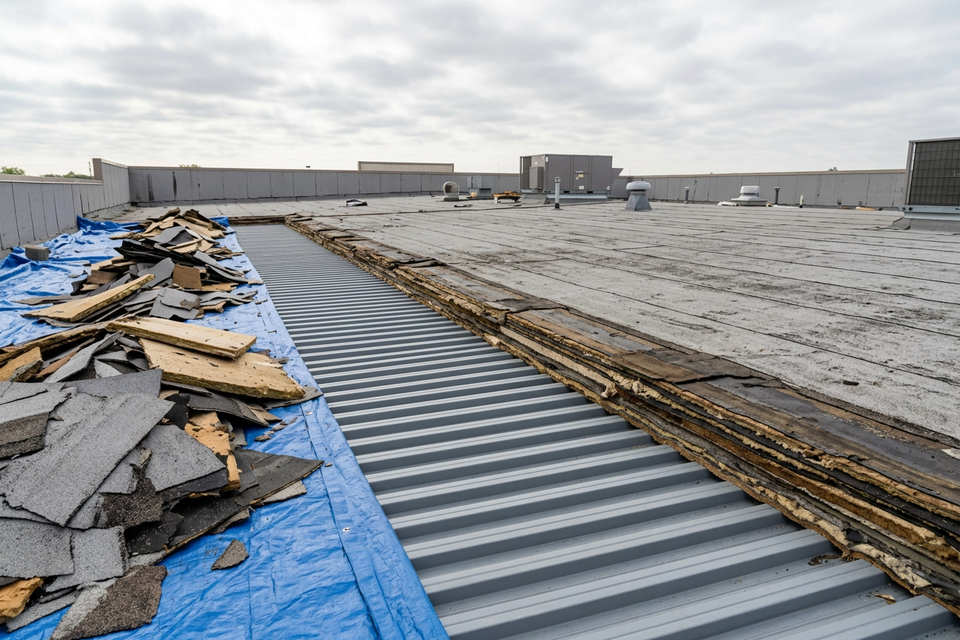
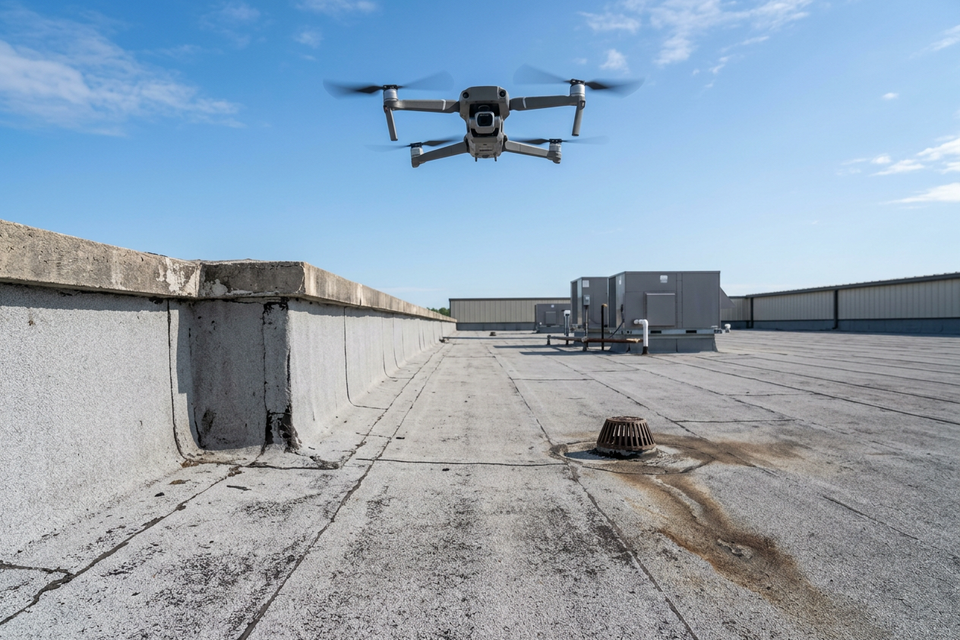
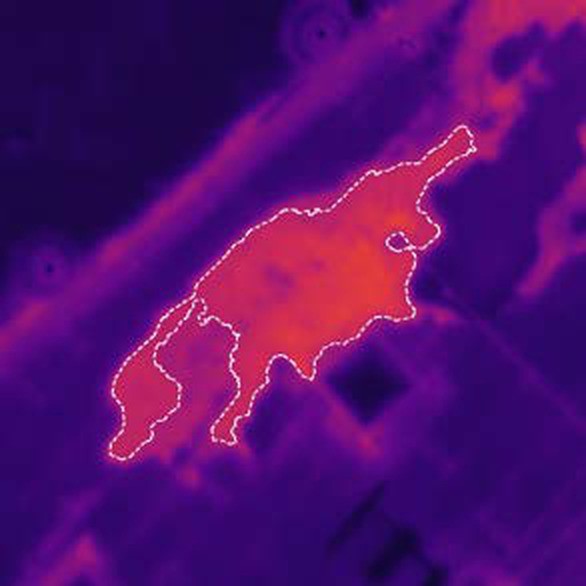
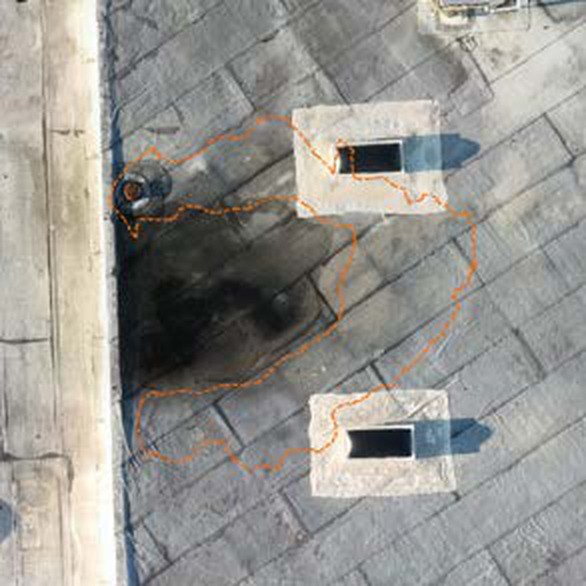
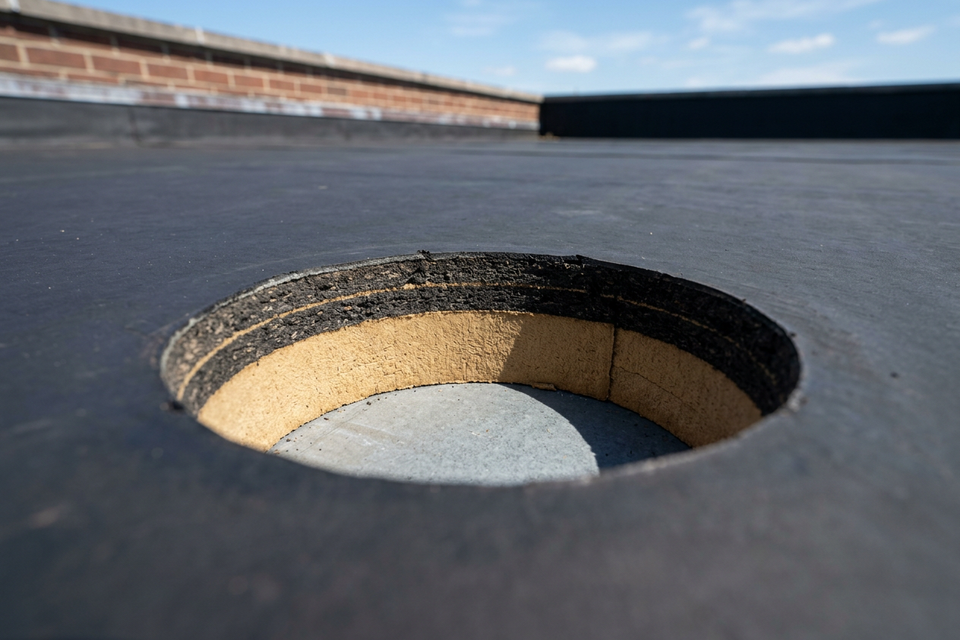
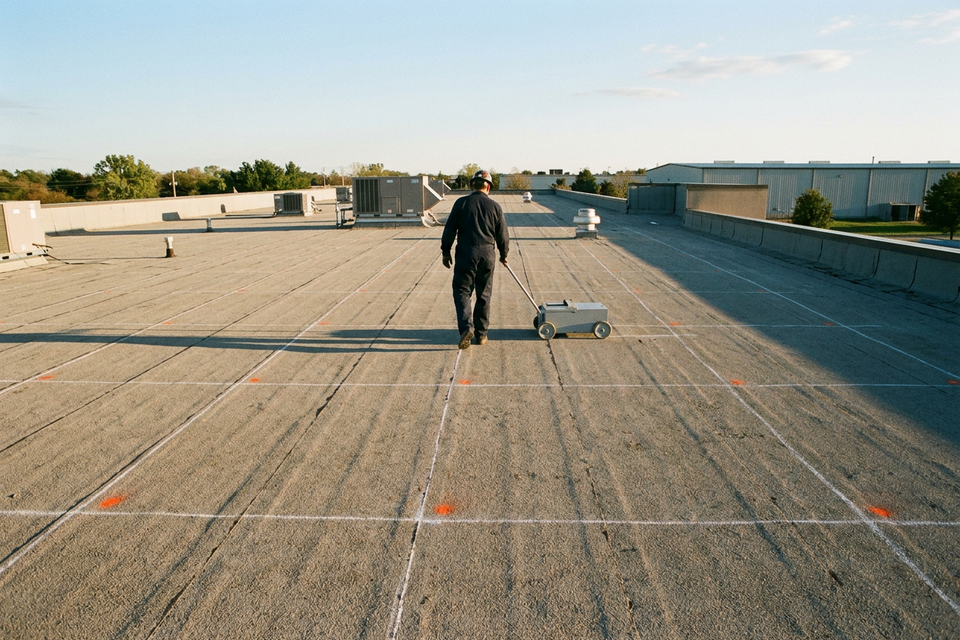
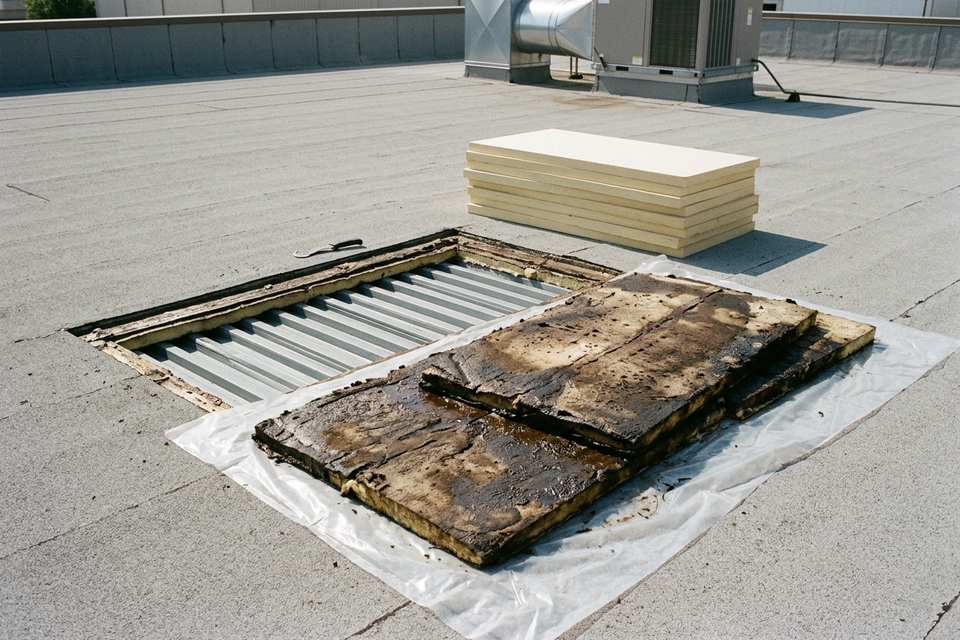
Neither chemistry dries a wet roof. Coating makers, Sherwin-Williams included, require wet insulation to be found and replaced before a coating goes on. On a roof with insulation under the membrane, a moisture survey comes before the chemistry question. A white coating of either kind also makes later thermal work harder, one more reason to survey first; how the scan works describes the drone moisture scan we arrange.
Neither sets a lifespan by itself. Applied over a sound, dry roof, a restoration system adds 10 to 15 years of service life. Whether a particular roof gets there turns on its condition, the film that went down and the upkeep it gets. How long a roof coating lasts goes through what decides it.
Who decides, and what to ask
- The data sheet names the substrates, the preparation, the rate and the cure; a written specification wins over this page.
- The adhesion test patch settles whether the system holds on this roof.
- The contractor writes the scope and owns the means and methods.
- The building’s engineer decides why a roof holds water and what the structure carries.
- The local building department decides what permits the work needs at that address.
- The manufacturer decides what its system warranty requires. Sherwin-Williams offers UNIGUARD system warranties of 10 or 15 years when one of its authorized contractors applies the system. The warranty is the manufacturer’s, issued under its own terms; we supply the materials.
An owner does not have to choose a resin. These questions do the work:
- Where does water stand after rain, how long does it stay, and can those areas be corrected first?
- What goes under the finish on this substrate, and what did the adhesion test show?
- Who walks on this roof, how often, and where?
- What will the next recoat be, and what will repairs be made with?
If you know the roof type and whether it drains, the system finder turns those two answers into a build-up with part numbers. Then send the roof area, the substrate, where water stands and the specification, if one is named, through the quote form. We price the materials for that roof, name what is not included, and reply with the price, the freight and a ship date.
Last updated 2026-10-05.