Aluminum roof coating vs elastomeric: where silver still fits
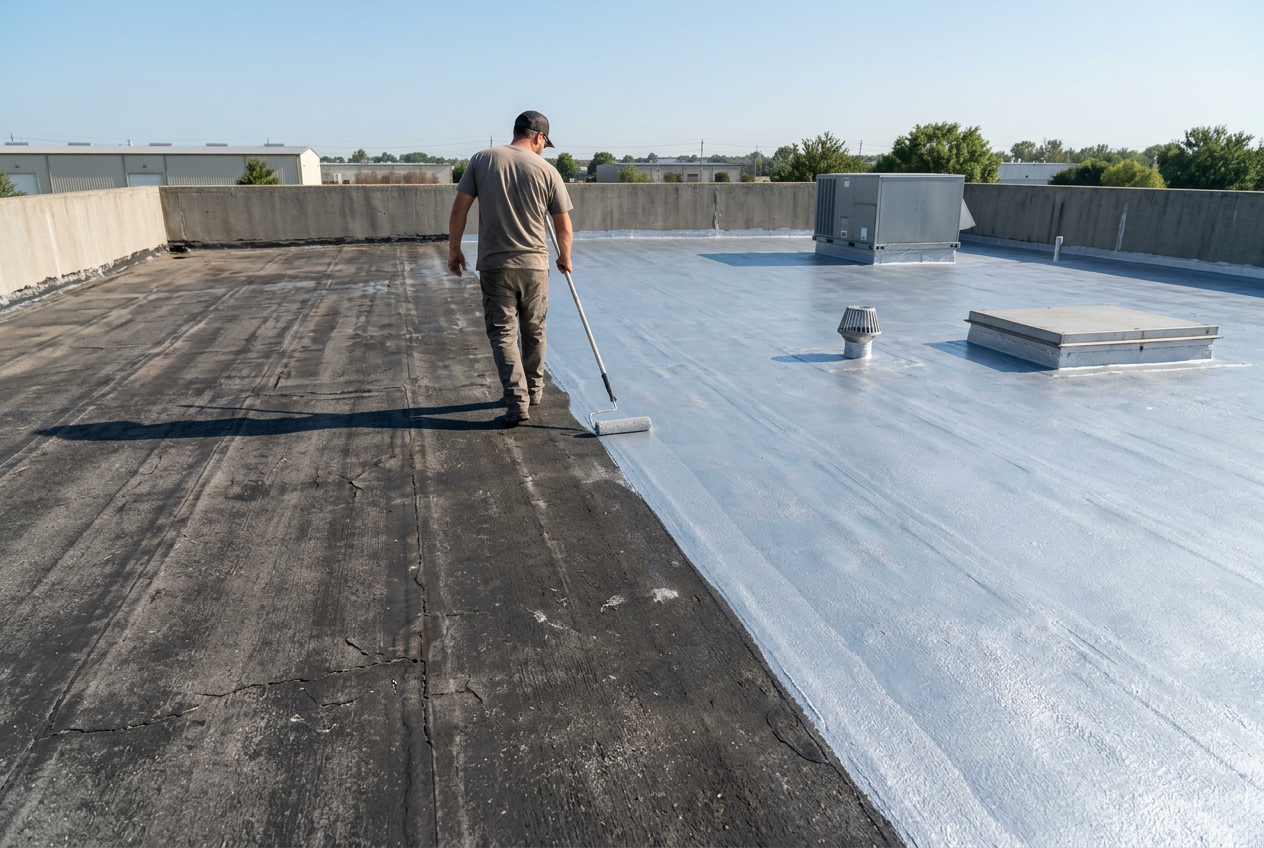
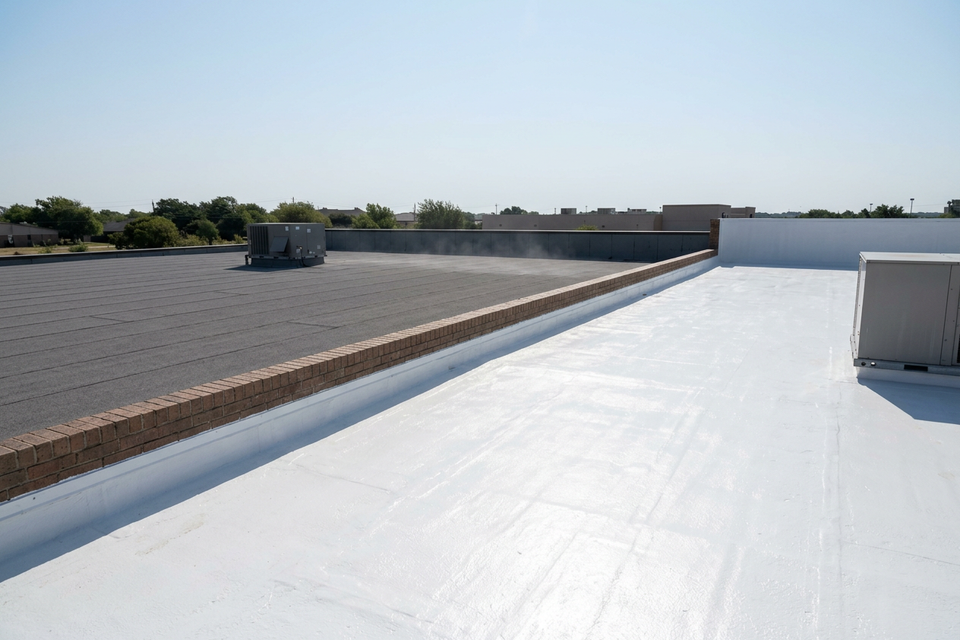
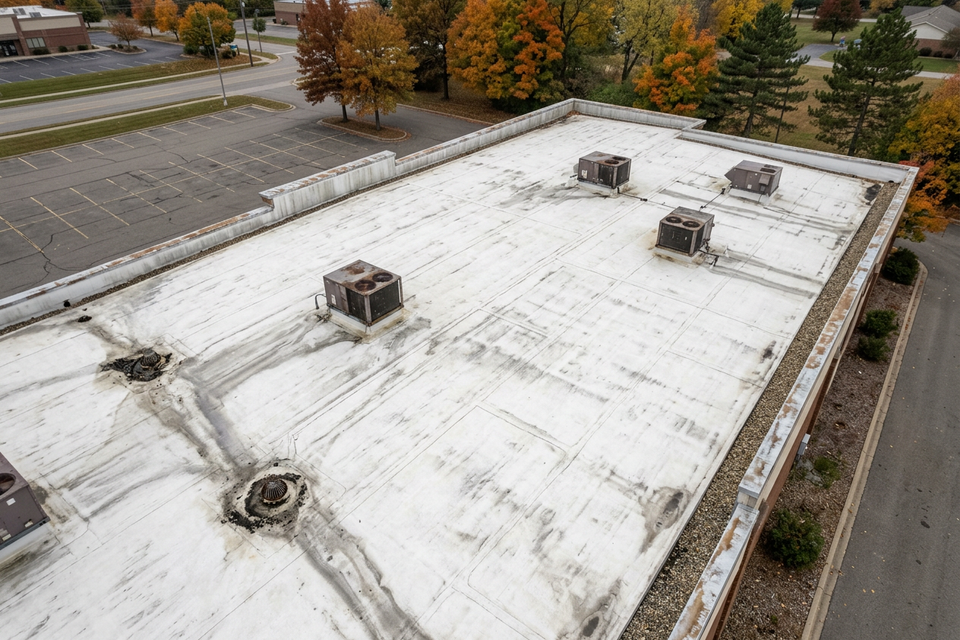
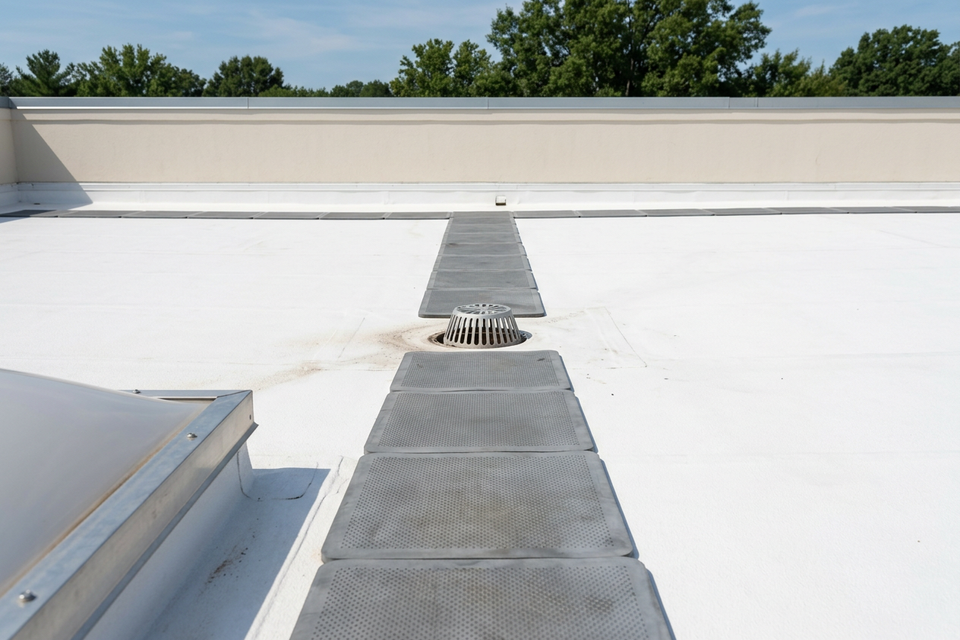
An aluminum coating is the economical way to resurface an aged asphaltic roof that is still sound and still drains: smooth built-up, modified bitumen or granulated cap sheet that has weathered. It is also listed for metal, and the two fibered grades are stated to go directly over lightly rusted metal. A white elastomeric system is the answer on single-ply, sprayed foam and concrete, where water stands, where a cooler surface is wanted, and where the owner is buying a restoration system with a base coat and a finish coat.
Asphalt emulsion is neither. It is a black resurfacer for an asphaltic roof that has dried out or alligatored, and a coating goes over it, silver or white.
What these coatings are
An aluminum roof coating is asphalt pigmented with aluminum and thinned with solvent, and it dries to a silver surface. Fibered grades carry fiber and go on heavier, for a surface that needs body; non-fibered grades lay down without it.
The Sherwin-Williams Uniflex line has three, all silver:
- Premium fibered aluminum coating KST020475, in pails and drums.
- Commercial-grade fibered aluminum coating KST020480, in the same packs. The data sheets set out the difference between the grades.
- Non-fibered aluminum coating KST020418, made with asphalt and gilsonite, in a 5-gallon pail. It suits canopies, outbuildings and sections of a larger roof.
An asphalt emulsion is asphalt dispersed in water. It is black, and in this line it is not a finish. Fibered asphalt emulsion KST040312 and non-fibered KST040314 resurface a dried-out asphaltic roof so that a coating has something whole to go on.
The International Building Code’s roof coatings section lists a material standard for each: ASTM D2824 for aluminum-pigmented asphalt coatings and ASTM D1227 for asphaltic emulsions. All five products are at Aluminum & asphalt coatings.
Aluminum against a white elastomeric system
| Question | Aluminum coating | White elastomeric system |
|---|---|---|
| Roofs it is listed for | Metal, smooth built-up, granulated asphalt, granulated or smooth modified bitumen | Those, plus EPDM, TPO, PVC, Hypalon, foam and concrete |
| Build-up | A clean, dry roof, then the coating; no primer named | Primer or base coat by substrate, then a finish coat |
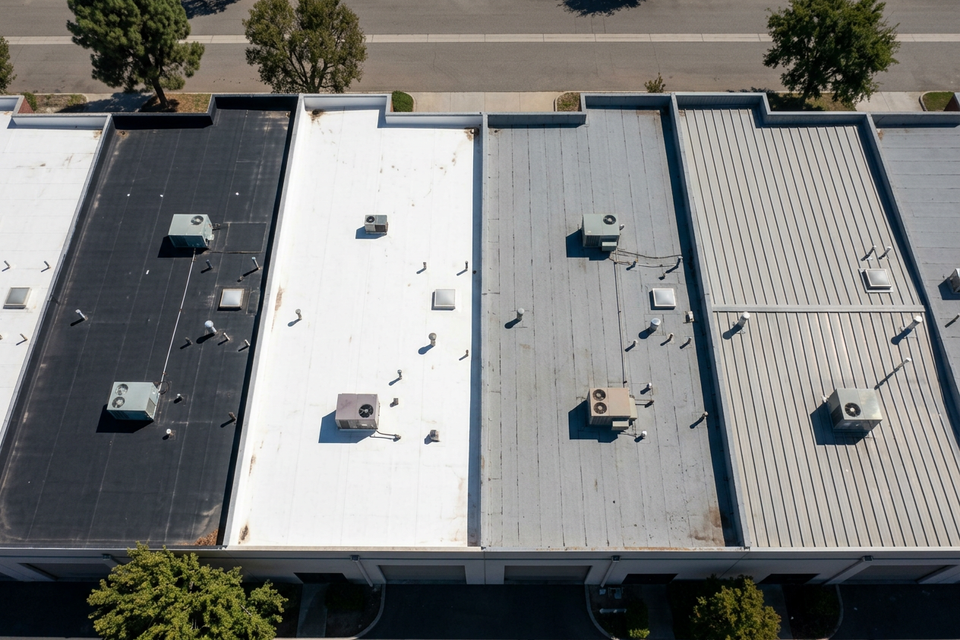
| Surface | Silver, moderately reflective | White |
| Where water stands | Not the route | Silicone, or solvent-based where listed |
| Cost position | The economical route | More products, more steps |
| What the owner is buying | A maintenance surfacing | A restoration system |
Cost. The aluminum build-up is short: a washed, dry roof and the coating, with no base coat and no primer named. A white acrylic system is a base coat and a finish coat, with a primer before them on EPDM, metal and concrete. Fewer products is the sense in which aluminum is the economical route; the quote prices either for a given roof.
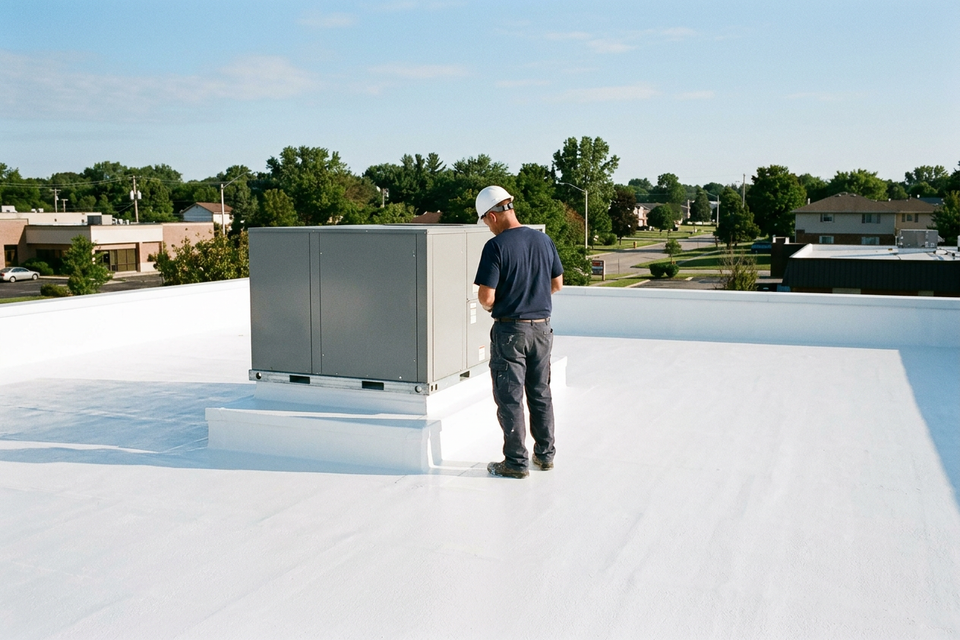
Heat. The trade describes an aluminum coating’s reflectivity as moderate. White finish coats reflect sunlight and keep the roof surface cooler. If a cooler roof is part of the reason for coating, that points to white. Some energy codes set a minimum reflectance for a recoated low-slope roof, as California’s does for nonresidential buildings, so check the product’s rated values before specifying silver there. Cool roof ratings explains them.
Service. An aluminum coating is a maintenance surfacing: one product over a prepared roof, on a silver maintenance cycle while the roof under it stays sound. A white elastomeric system is a full build-up over reinforced details, the restoration system the rest of this site describes. We put no service-life figure on an aluminum coating. How long a roof coating lasts covers what decides it.
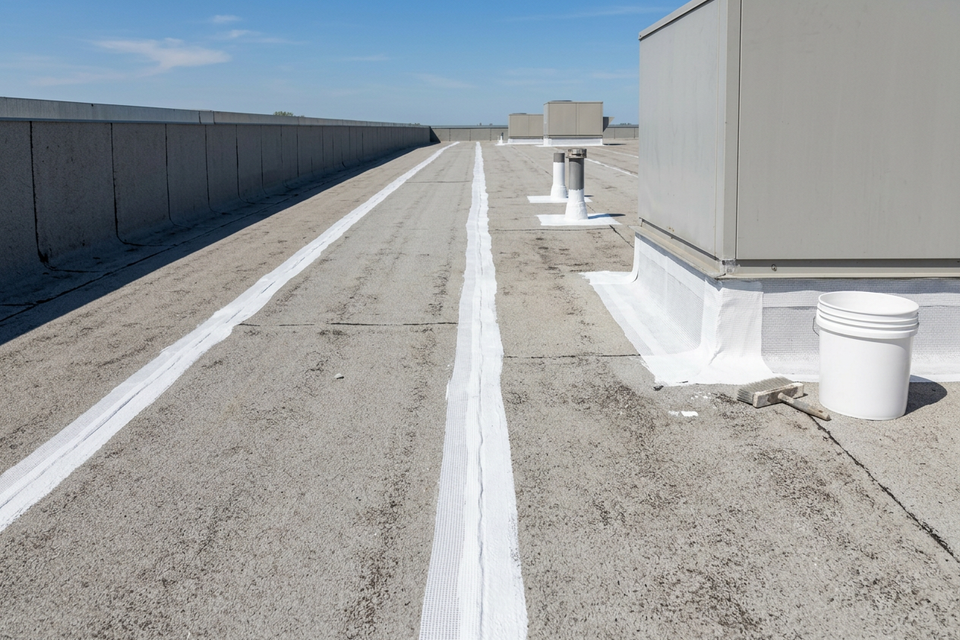
Details. The detail work is the same either way. Splits, open laps, flashings and penetrations are closed and reinforced before the field is coated; seams, fasteners and flashings covers how.
Where aluminum earns its place
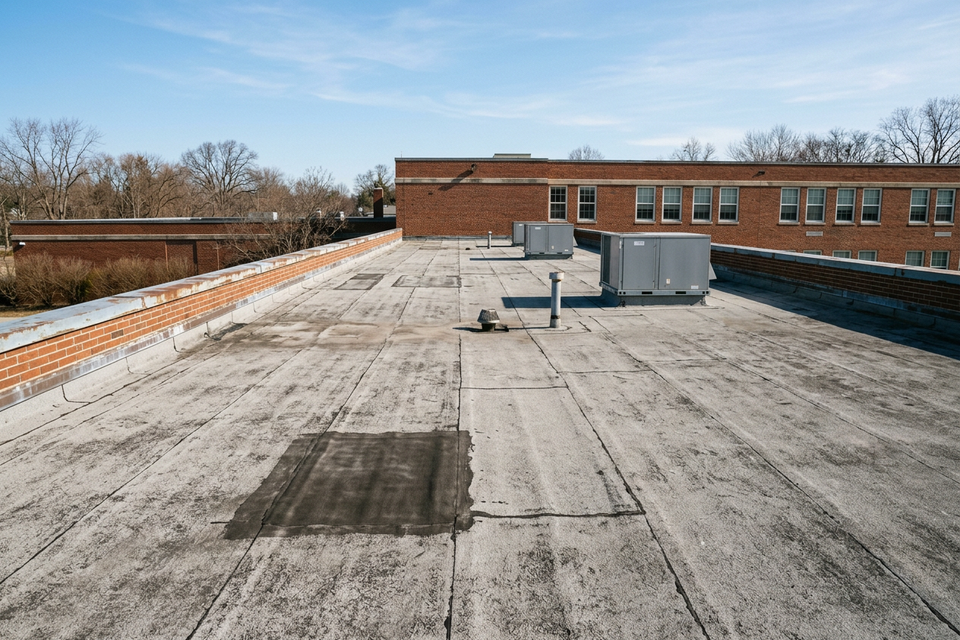
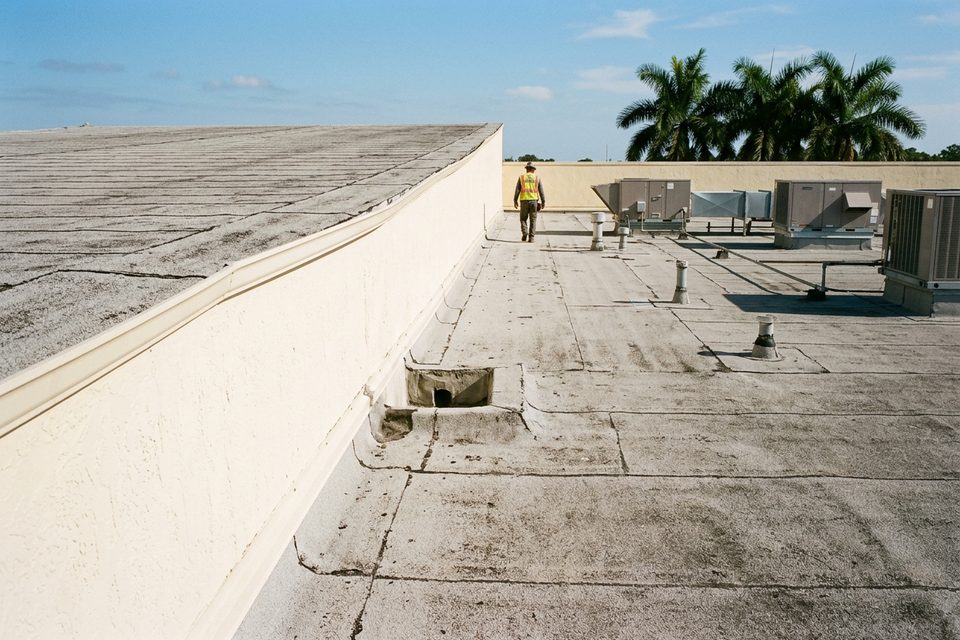
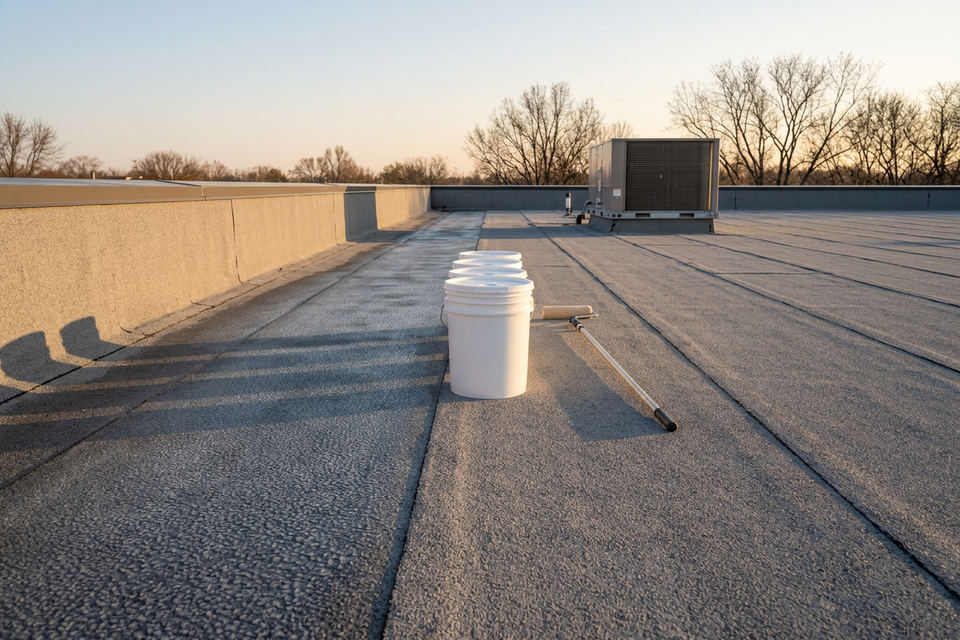
Aged smooth built-up and modified bitumen. A roof that is sound, dry underneath and draining, with a weathered surface: warehouse, plant and back-of-house roofs where silver is the accepted finish and nobody is buying white. This is the roof the aluminum coatings are listed for. Where a smooth asphalt surface has dried out, black asphalt primer KST020412, a rejuvenator, restores it first; it is not a required step. The modified bitumen and built-up system page covers this roof type.
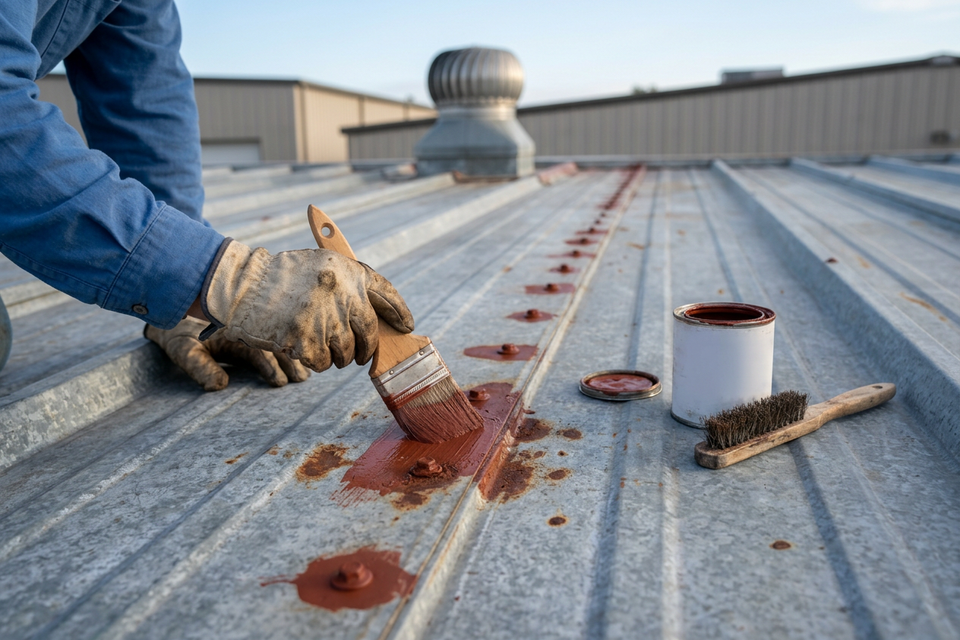
Lightly rusted metal. The two fibered grades, KST020475 and KST020480, are stated to go directly over lightly rusted metal without a primer; that is not stated for the non-fibered KST020418. Loose rust is washed off and fasteners tightened or replaced first, then seams and fastener rows are detailed with butyl seam tape KST020804. Light means light: heavier corrosion wants rust-inhibitive primer KST034520 and an elastomeric system instead.
Granulated cap sheet. The current data sheets for all three aluminum coatings list granulated asphalt and granulated or smooth modified bitumen beside metal and smooth built-up, and name no primer for any of them. The preparation is the same as on any roof: pressure wash off dirt, loose material and chalk, let the roof dry completely, and coat at 50 °F or warmer with no rain forecast. The black asphalt primer is for dried-out smooth surfaces, not for granules. Granules take more coating per square, and loose ones bear on adhesion.
Where it does not belong
- Single-ply, sprayed foam and concrete. EPDM, TPO, PVC, Hypalon, foam and concrete are not on the aluminum coatings’ lists; they take an elastomeric system, and which system goes over which roof walks them in order.
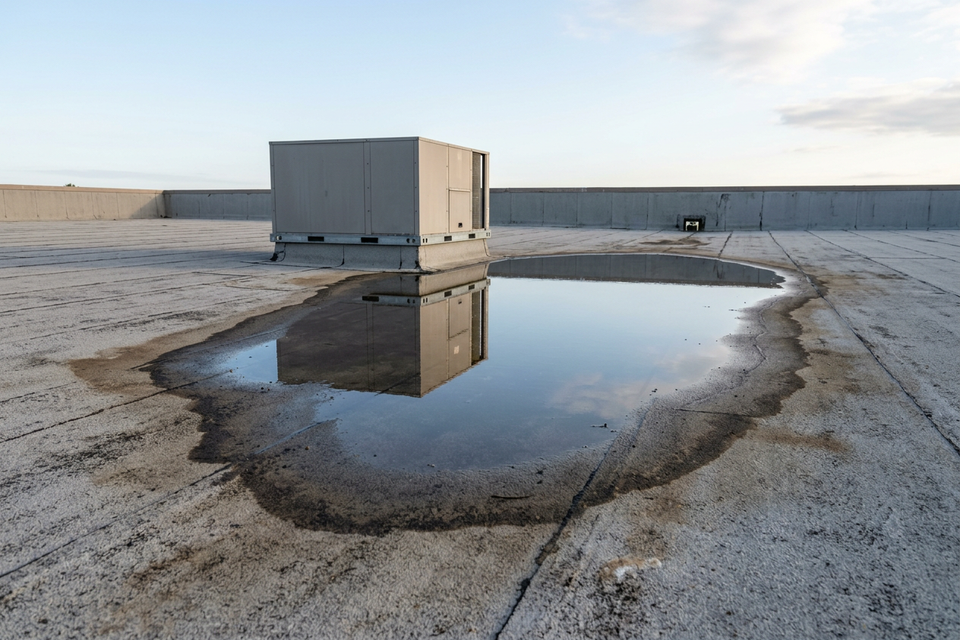
- Where water stands. The finish coat there is silicone or the solvent-based elastomeric.
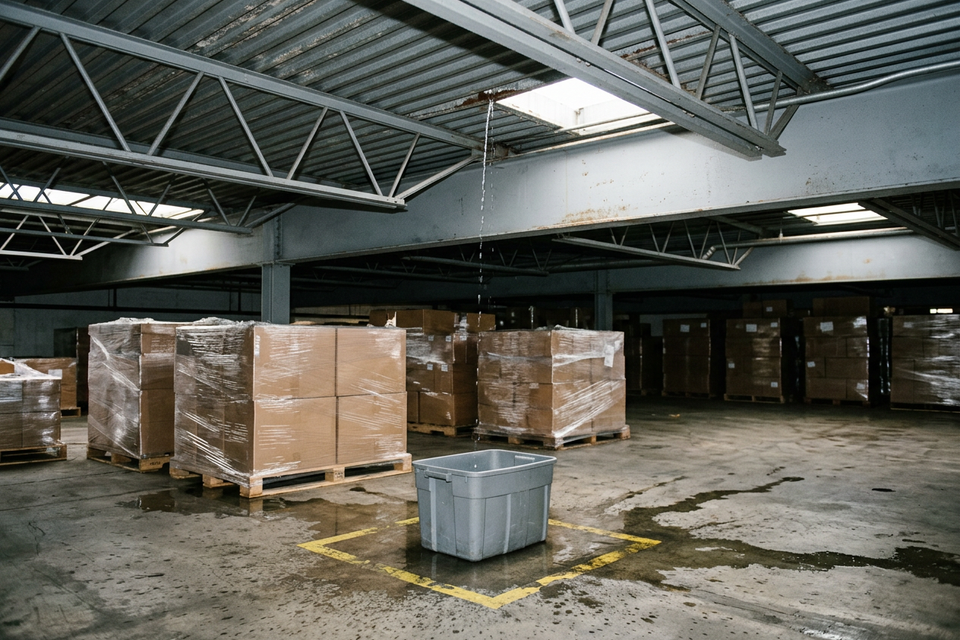
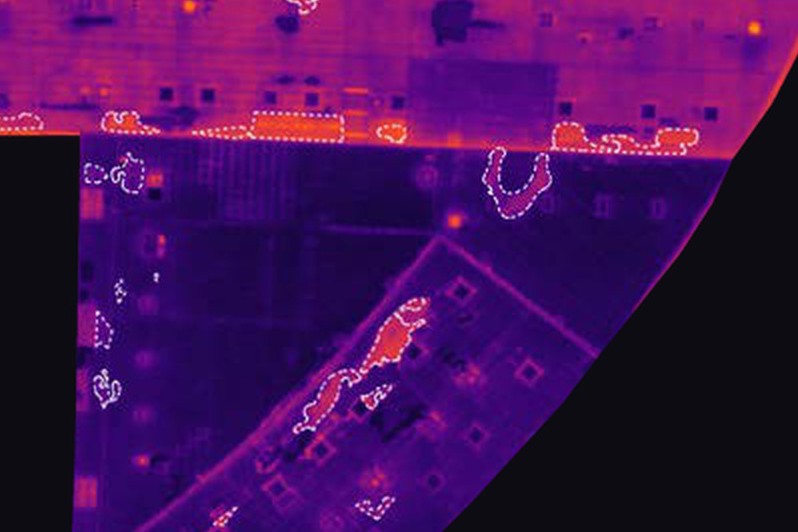
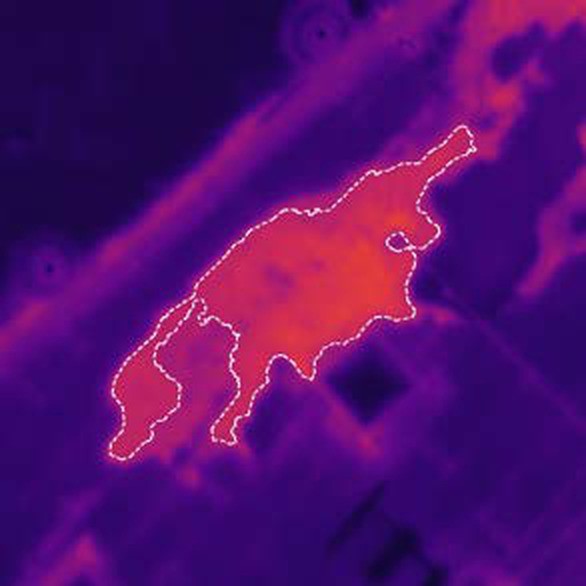
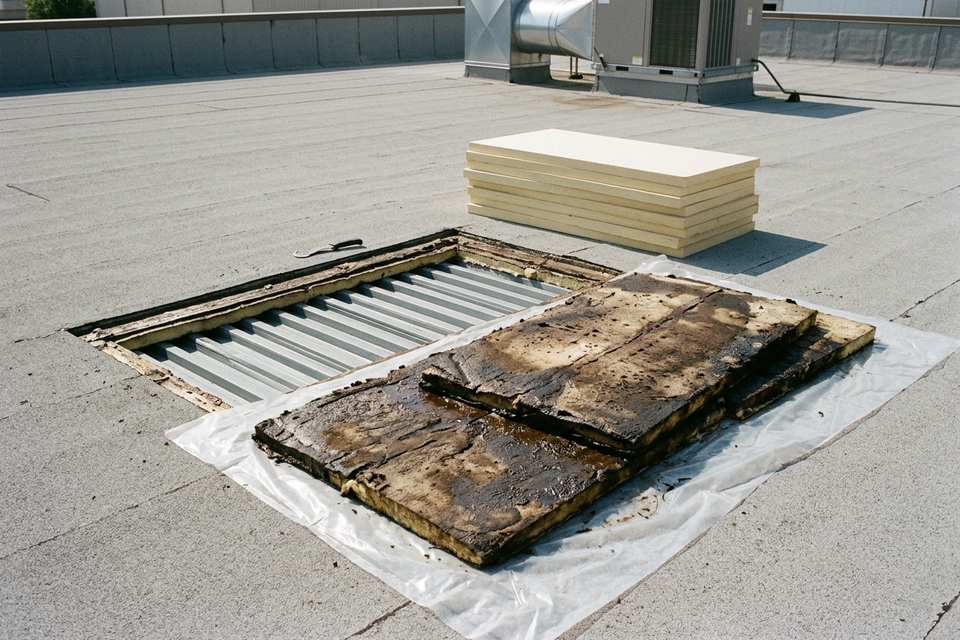
- Over wet insulation. Coating makers, Sherwin-Williams included, require wet insulation to be found and replaced before a coating goes on. No coating, silver or white, dries what is already wet.
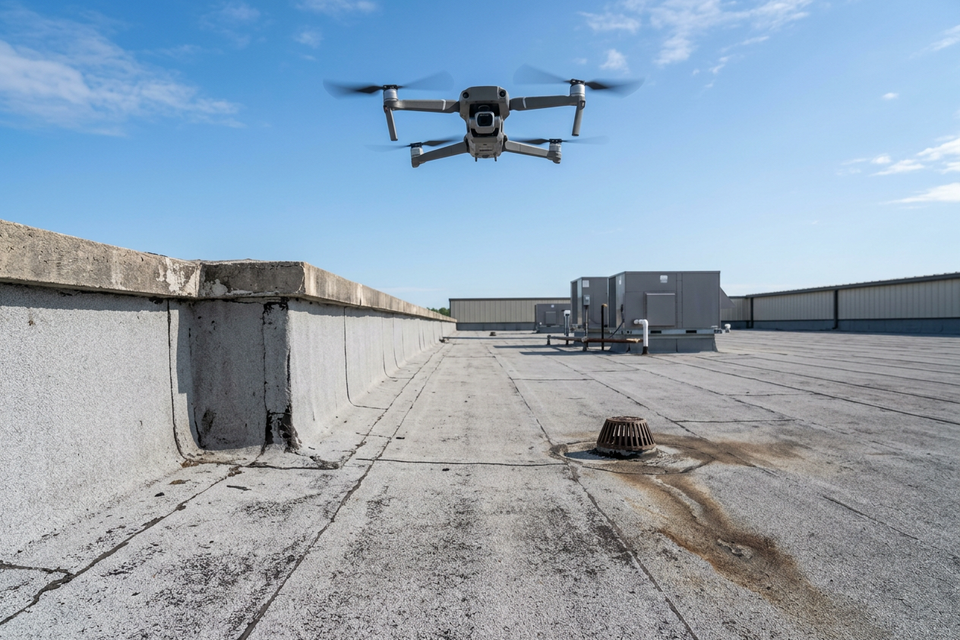
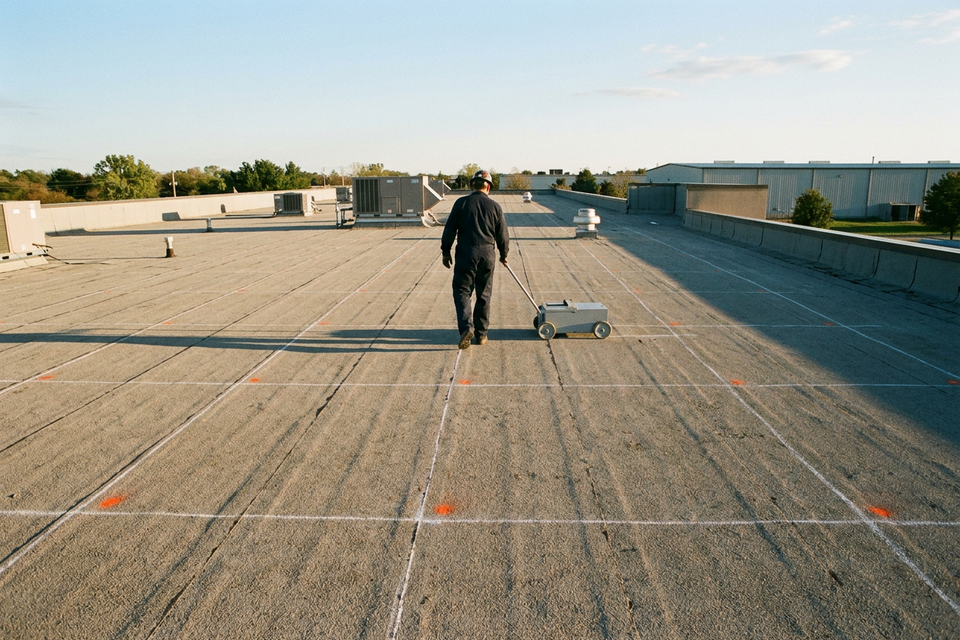
A reflective surface, silver or white, makes later thermal work harder, so on a roof with insulation under the membrane the moisture check comes before the coating. How the scan works describes the drone moisture scan we arrange.
Asphalt emulsion: a resurfacer, not a finish
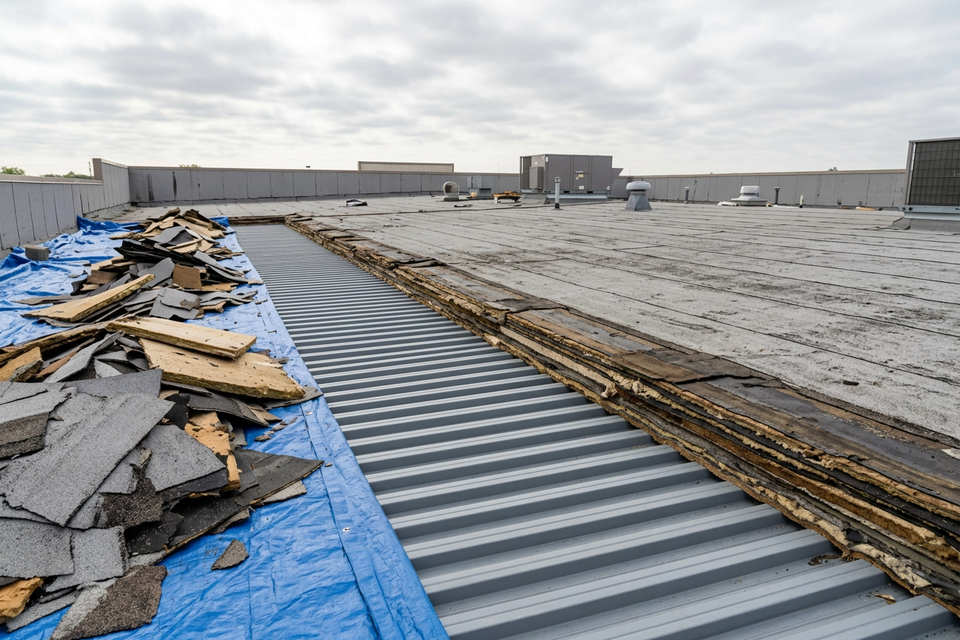
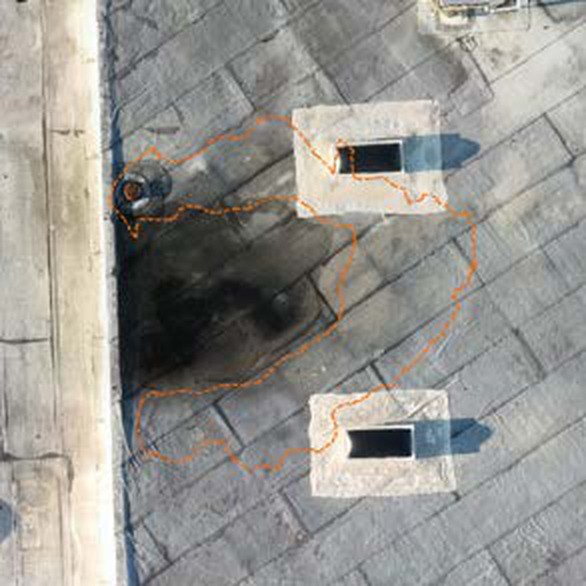
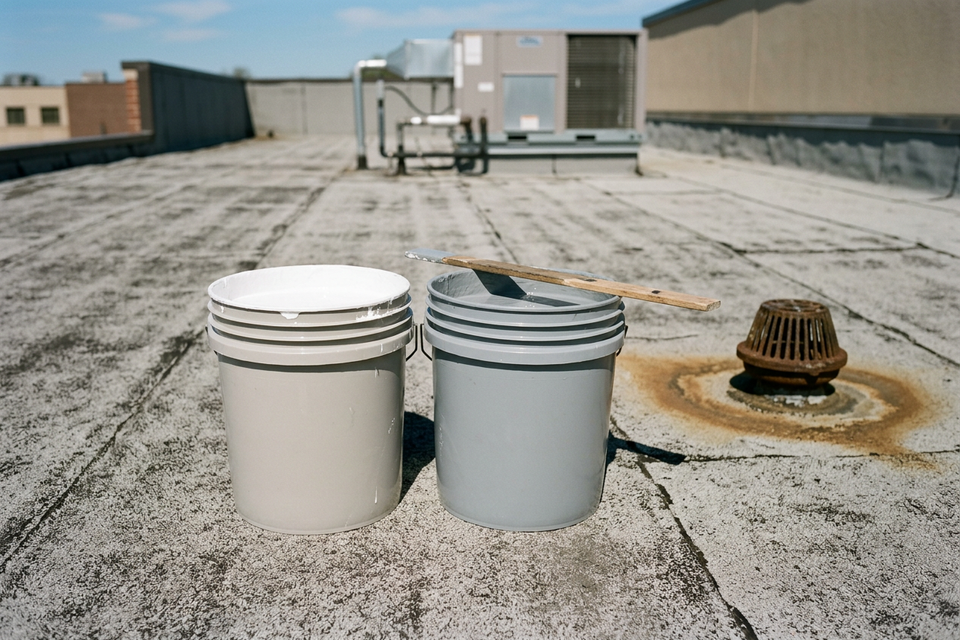
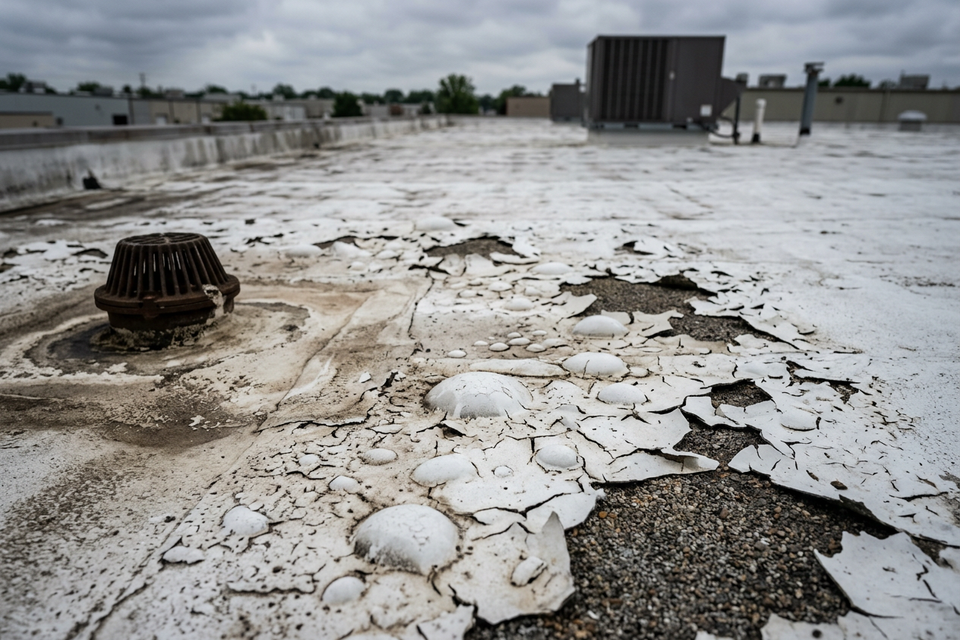
The manufacturer’s wording for the roof that needs an emulsion is extremely dried-out or heavily alligatored: smooth built-up or modified bitumen whose surface has crazed and lost its flexibility. A roof that is only weathered may not need one at all.
Both emulsions are listed for use with reinforcing fabric, so splits, open laps and flashings can be three-coursed while the field is going down. One carries poly fiber and one does not; the specification decides which the job buys.
In this line a coating always goes over an emulsion. For silver, that is an aluminum coating. For white, it is the MB base coat and an elastomeric finish coat such as premium acrylic KST041300. Either way the emulsion cures first; the data sheet gives the wait, and it belongs in the schedule. Emulsions are water-based, and like any water-based coating they must not freeze in transit or storage.
The aluminum route on an asphaltic roof, in order
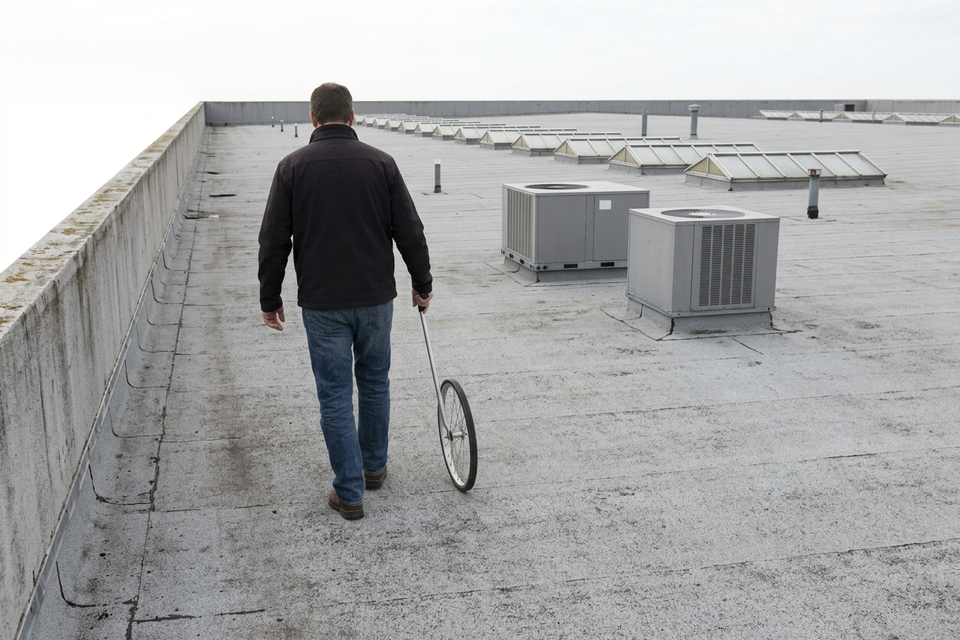
- Clean and dry. Pressure wash off dirt, ponded silt, loose surfacing and chalk, and let the roof dry completely.
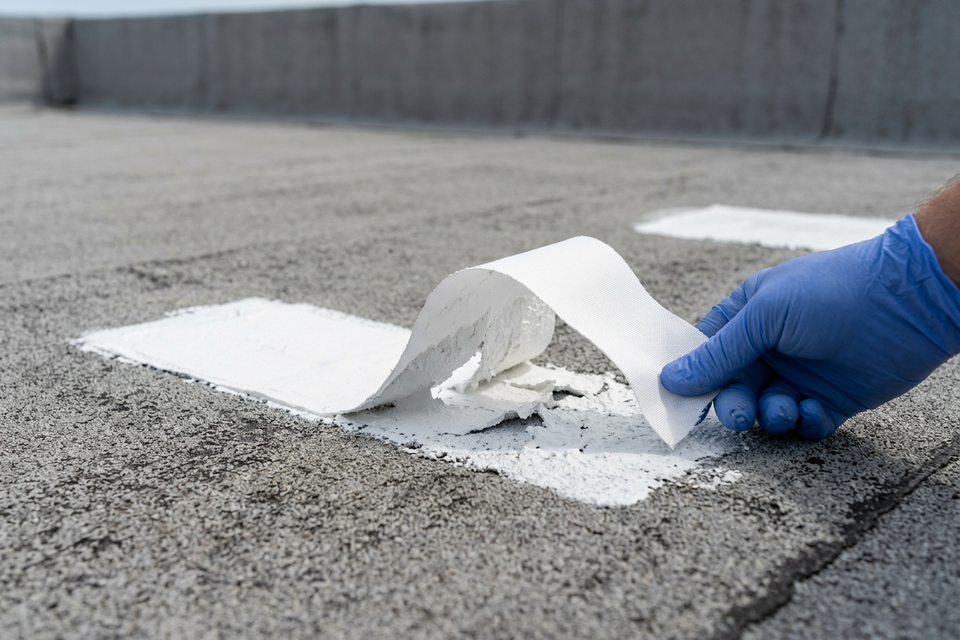
- Repair and reinforce. Close splits, blisters and open laps, and three-course flashings and penetrations, with wet-dry roof cement KST058600 and 6 in polyester fabric KST20385A.
- Resurface, if the roof needs it. Emulsion only on the dried-out, alligatored surface described above.
- Rejuvenate, only if needed. Black asphalt primer on smooth built-up or modified bitumen that has dried out; never on granules, and not a required step.
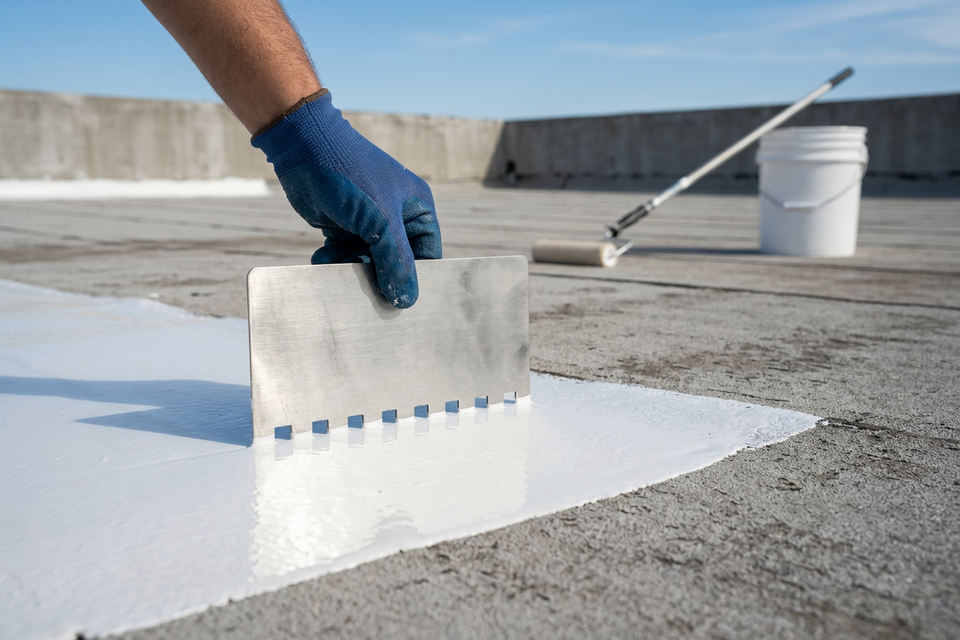
- Coat. Fibered or non-fibered aluminum, at 50 °F or warmer with no rain forecast, at the rate and coat count the data sheet states.
The data sheet names the preparation, the rate and the cure, and a written specification wins over this page. The adhesion test patch settles whether it holds on this roof.
Freight and handling
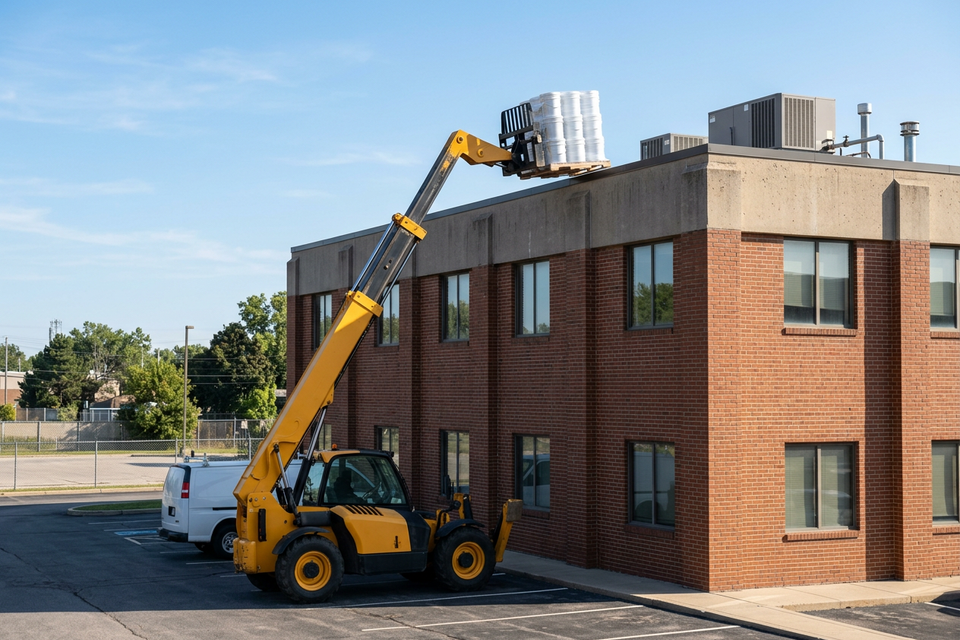
The aluminum coatings and the asphalt primer are solvent-based asphaltic products, and they ship as regulated freight, quoted with the order; the quote states what it covers. The safety data sheet for the part number carries the transport and handling information, and it belongs on the roof. Stocked packs ship in 1–3 business days; drums go by freight, with a lift-gate where there is no dock.
Who decides, and what to ask
- The local building department decides what permits the work needs and which product approvals apply. Florida’s code adds conditions of its own on coating an existing roof, and in part of the state a coating needs a current product approval; restoring a roof in Florida has the background.
- The manufacturer decides what its system warranty requires. Sherwin-Williams offers UNIGUARD system warranties of 10 or 15 years when one of its authorized contractors applies the system. The warranty is the manufacturer’s, issued under its own terms; we supply the materials. If a system warranty is wanted, say so before the finish is chosen.
Four questions settle most of it:
- Is the roof smooth built-up, modified bitumen, cap sheet or metal, and does it drain?
- Is the surface only weathered, or dried out and alligatored enough to need an emulsion first?
- Is the owner buying a maintenance coat in silver or a restoration system in white?
- What goes over this surface next time? Silicone44 KST044300 (white) lists sound, aged acrylic, silicone and urethane coatings; an aluminum coating is not on that list, so the data sheet and a test patch decide.
If you know the roof type and whether it drains, the system finder gives the build-up with part numbers. Then send the roof area, the substrate and its condition, the detail lengths, the site ZIP and your timing through the quote form. We price the materials and the freight together, name what is not included, and reply within one business day.
Last updated 2026-10-05.